

Articles
Physical exfoliation: the "secret" to bright, smooth skin
HTP Pharma · 15/03/2025

Do you want to have bright, smooth, radiant skin quickly? Physical exfoliation is an effective solution that can help you achieve that. However, to make the most of the benefits and avoid unwanted effects, doing it correctly is extremely important.
This article will provide you with detailed, in-depth information about physical exfoliation, from how it works and its pros and cons to how to choose and use the right products.
What is physical exfoliation? How it works
Physical exfoliation, also known as mechanical exfoliation, is a method that uses friction from scrub particles, exfoliating gel, or specialized tools such as face towels and cotton pads to remove the layer of dead cells on the skin's surface.
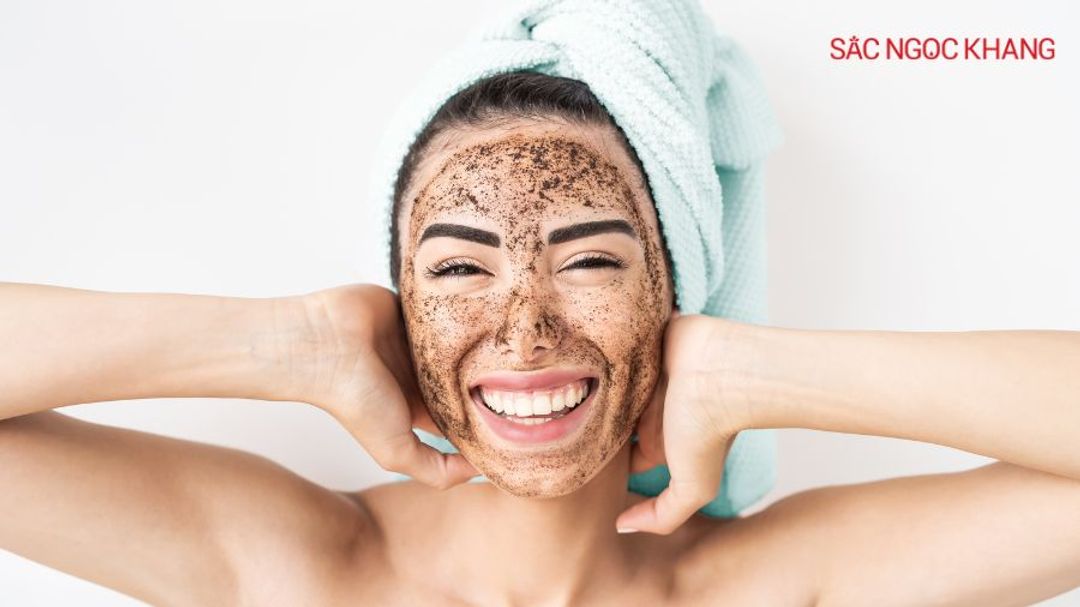
How this method works is quite simple: the small particles or the rough surface of the tool "sweep away" the dead cell layer when they come into contact and create friction with the skin.
To picture it easily, you can briefly compare physical exfoliation with chemical and enzyme exfoliation. Chemical exfoliation uses AHA/BHA acids to break the bonds between dead cells, while enzyme exfoliation uses enzymes from fruit to "digest" dead cells. The key difference is that physical exfoliation acts directly on the skin's surface through friction.
Pros and cons of physical exfoliation
Like any skincare method, physical exfoliation has its own advantages and disadvantages:
Advantages
Clearly visible results right after use: The skin becomes smoother and brighter instantly.
Easy to do at home: You can carry out this process yourself easily.
Products are usually affordable: There are many product options at prices to suit your budget.
Disadvantages:
Can cause irritation and scratch the skin: If you scrub too hard or use an unsuitable product, the skin can be damaged.
Not suitable for very sensitive skin: Skin that is inflamed with acne, damaged or overly sensitive should avoid this method.
Limited ability to deep-clean pores: Compared with chemical exfoliation, the physical method struggles to deep-clean inside the pores.
Many people worry about damaging their skin when using physical exfoliation. However, if done correctly and with the right product, you can completely avoid these negative effects.
Common types of physical exfoliation
Currently, there are many different types of physical exfoliation, the most common being:
Scrub exfoliants
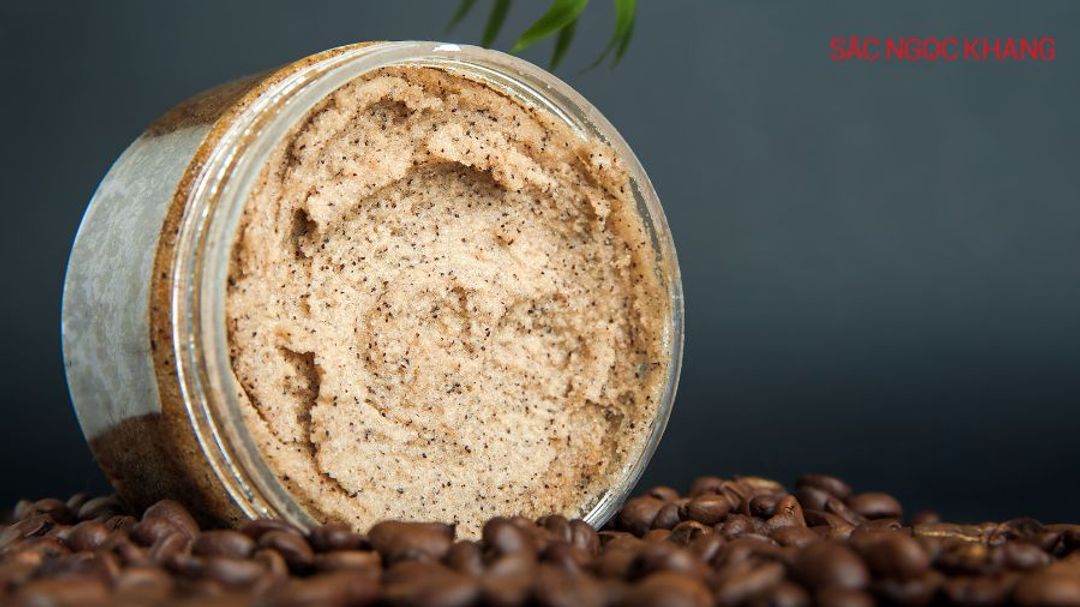
This is the most common type, containing small particles such as sugar, salt, jojoba beads, or synthetic plastic beads. These particles create friction with the skin and remove dead cells. When choosing a scrub, you should pay attention to the size and roundness of the particles (particles that are too large and sharp can scratch the skin), as well as the added ingredients (for example, moisturizers).
Peeling gel exfoliants
This gel form clumps together as you massage it on the skin, carrying away dead cells. Peeling gels are usually gentler than scrubs and cause less scratching.
Gommage exfoliants
Similar to peeling gel, gommage also works by forming clumps to remove dead cells. However, gommage usually has a thicker texture and needs to be massaged more thoroughly.
Supporting tools
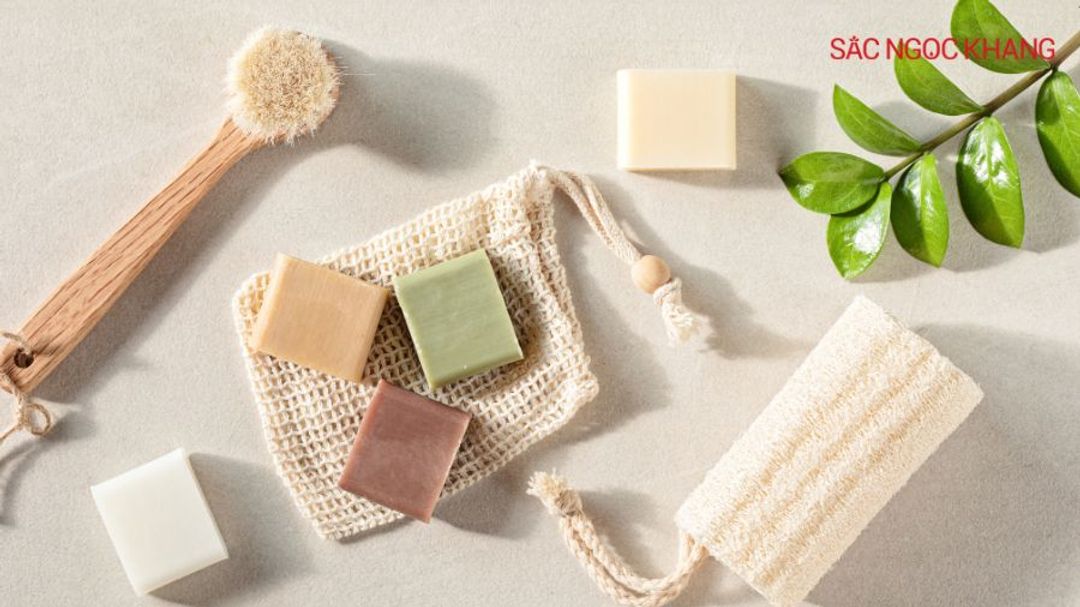
Besides cream and gel products, you can also use supporting tools to physically exfoliate:
Exfoliating face towels: Usually made from microfiber or specially textured cotton that gently removes dead cells.
Specialized cotton pads: Have a rough surface that exfoliates when combined with a makeup remover or facial cleanser.
Facial cleansing devices: Use vibration or rotation technology combined with a brush head or silicone to deep-clean and remove dead cells.
Dry brushing: Often used for the body, helping to remove dead cells and stimulate blood circulation.
A "proper" guide to physical exfoliation at home
To exfoliate physically effectively and safely, you can follow these steps:
Cleanse the skin: Wash your face clean with a suitable cleanser.
Take an appropriate amount of product: Do not take too much product.
Massage gently: Massage in circular motions on the skin, avoiding scrubbing too hard.
Rinse off with warm water: Rinse your face again with warm water to remove the product completely.
When massaging, you should pay attention to each area of skin. For example, the T-zone (forehead, nose, chin) usually has more oil and dead cells, so it can be massaged a little more thoroughly, but still gently.
Exfoliation frequency
The frequency of physical exfoliation depends on your skin type:
Normal to oily skin: 2-3 times/week.
Dry, sensitive skin: 1–2 times/week.
However, you should observe your skin's reaction and adjust the frequency accordingly. If you see your skin becoming dry, irritated or red, reduce the frequency or temporarily stop using it.
A suggestion for safe, gentle physical exfoliation
Sắc Ngọc Khang Coffee Scrub is a great choice for anyone looking for a safe and gentle physical exfoliant.
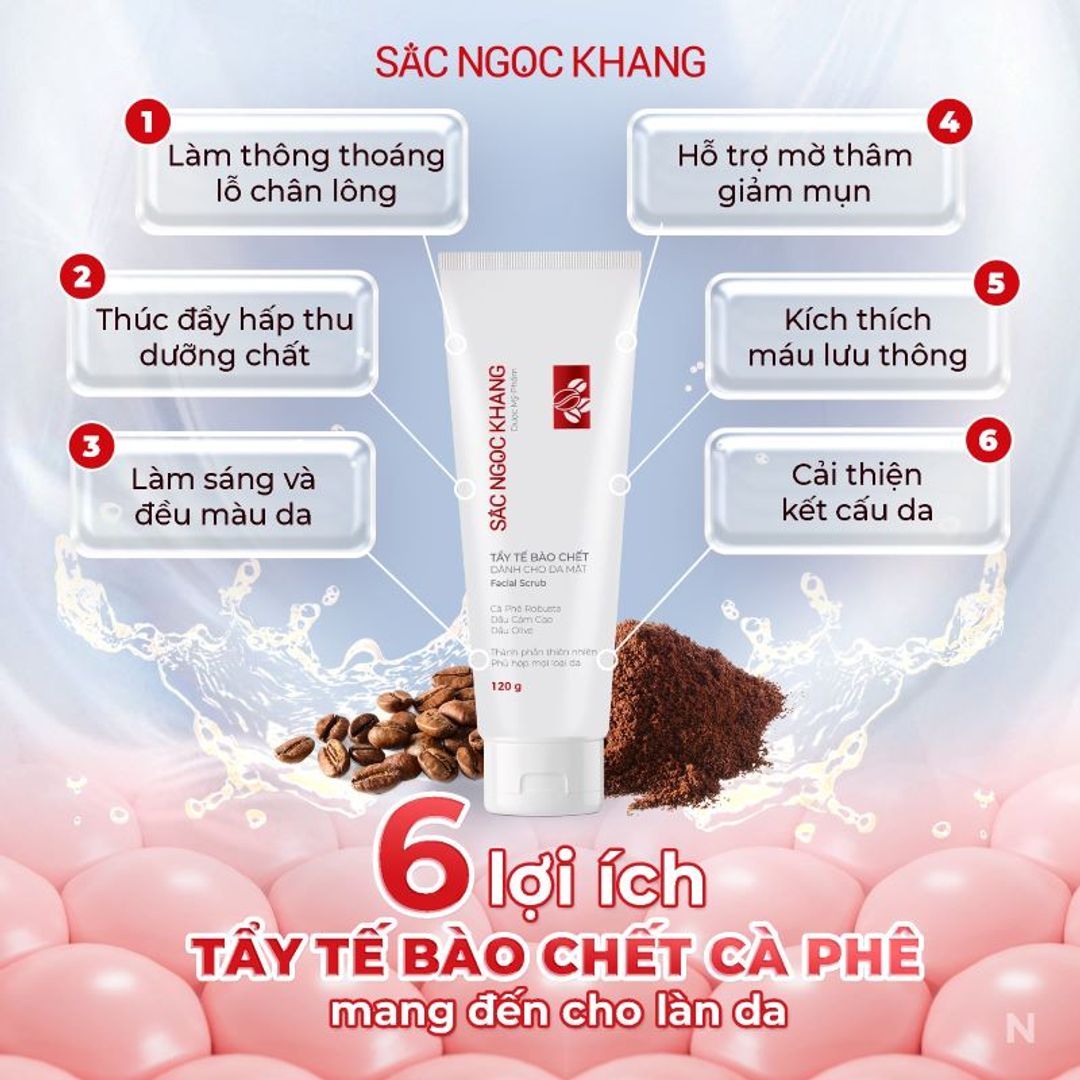
The product stands out with the following advantages:
Premium natural ingredients:
Robusta Coffee Grounds: Carefully selected from the Central Highlands (Đắk Lắk), the coffee is ground to a standard fineness that helps remove dead cells and purify the pores without eroding the skin. The manual roasting and grinding process helps fully preserve the natural aroma and color of the coffee.
Japanese Rice Bran Oil: Rich in Vitamin E, fatty acids and Squalene, it helps cleanse, maintain moisture, and brighten and smooth the skin.
French Olive Oil: Contains Vitamin A and antioxidants, helping to prevent skin aging.
No fragrance, no artificial colors: Safe even for sensitive skin.
Natural preservative: Uses plant-derived Vitamin E, which both moisturizes and provides antioxidants while also acting as a natural preservative.
Thanks to its gentle natural ingredient list, the Sắc Ngọc Khang Coffee Scrub helps deep-clean, unclog pores, and deliver smooth, radiant skin without causing irritation. It is an ideal choice to relax and care for your skin after a long day.
Things to note when using physical exfoliation
Do not scrub too hard: This is the most important rule to avoid damaging the skin.
Avoid the area around the eyes and lips: This skin is very thin and sensitive.
Do not use on skin that is damaged or inflamed with acne: Scrubbing can worsen the inflammation.
Moisturize thoroughly after exfoliating: This helps the skin recover and avoid becoming dry and tight.
Choose a product suited to your skin type: This is very important to achieve the best results and avoid irritation.
Conclusion
Physical exfoliation is an effective method for removing dead cells and delivering bright, smooth skin. However, doing it correctly and choosing the right product is extremely important. We hope this article has provided you with useful information to care for your skin in the best possible way.
Frequently Asked Questions (FAQ)
Does physical exfoliation enlarge pores? If you scrub too hard, it can cause irritation and make pores look larger. However, if done correctly, this method does not enlarge pores.
Should you choose a scrub or a peeling gel for physical exfoliation? This depends on your skin type and personal preference. Sensitive skin should prioritize a peeling gel.
Should acne-prone skin use physical exfoliation? It should be avoided when the skin is inflamed with acne.
How should you massage during physical exfoliation to avoid stinging the skin? Massage gently in circular motions, avoiding hard scrubbing.
What products should you use after physical exfoliation? You should use toner, serum and moisturizer to hydrate and restore the skin.