

Articles
What Are Sebaceous Filaments? A Complete Solution for Smooth Skin
HTP Pharma · 15/05/2025

Sebaceous filaments are not a rare problem, but if not cared for properly they can become a "nightmare" that causes acne, enlarged pores and leaves the skin looking lifeless. So what are sebaceous filaments, why do they appear, and how can you control them? Let's take a deeper look at this phenomenon and at the simple but effective methods to restore healthy, blemish-free skin right after this article.
What are sebaceous filaments?
Before learning about sebaceous filaments, you need to understand the role of the sebaceous glands. Every skin has sebaceous glands, which play an important part in maintaining the skin's natural moisture and protecting it from bacterial invasion. Sebum is an indispensable factor for healthy skin; however, when the sebaceous glands are overactive and produce too much oil, it can cause acne and make the skin more sensitive.
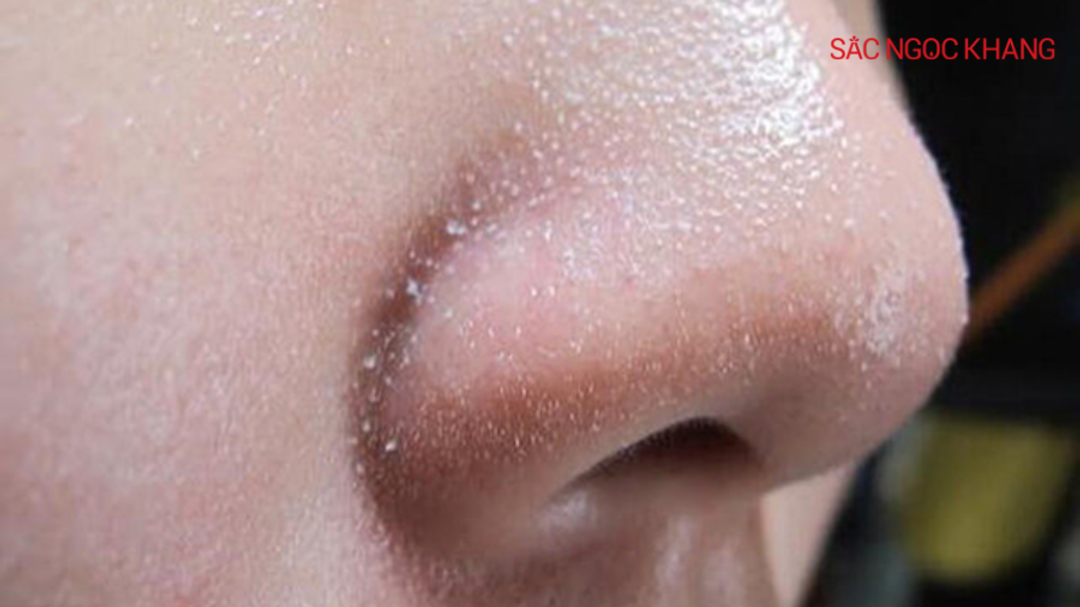
So what are sebaceous filaments? Sebaceous filaments are small, thin, soft strands, white or pale yellow in color, that appear mainly in the T-zone of the face (nose, forehead, chin). They form from the buildup of excess oil, dead skin cells, dirt and bacteria on the skin. Sebaceous filaments may rise to the surface of the skin or lie deep within the pores. Although they are not painful, the presence of sebaceous filaments can make the skin rough and uneven in tone and clog the pores, becoming a cause of acne.
How to recognize sebaceous filaments
To distinguish sebaceous filaments from other skin problems, you can identify them by the following characteristics:
Location: Sebaceous filaments usually concentrate in areas where the sebaceous glands are most active, such as the T-zone (nose, chin, forehead), the sides of the nose and the area around the mouth.
Clustered in patches: Sebaceous filaments usually do not spread out but gather in certain areas, giving the skin a rough, uneven feel.
Shape and size: These strands are long, thin and tiny, and can be clearly seen when the skin is stretched or under strong light. They are usually very small, from 0.1mm to 0.5mm, about the size of a pinhead.
Color: Sebaceous filaments are usually white, milky white, pale ivory or gray. The color can vary depending on the degree of sebum and dirt buildup.
No inflammation: Sebaceous filaments do not cause swelling or inflammation, nor are they painful to the touch, unlike blackheads or acne.
Soft texture: When extracted, sebaceous filaments have a soft texture and are easily removed without applying strong force.
Feel to the touch: Skin in areas where sebaceous filaments are present usually feels rough and slightly grainy when you touch it.
Causes of sebaceous filaments
Sebaceous filaments form when the sebaceous glands are overactive, leading to a buildup of oil, dead skin cells and dirt in the pores. Below are the main causes of sebaceous filaments:
Oily skin: People with oily skin often experience excess sebum. When the sebaceous glands produce too much oil, it easily accumulates in the pores, leading to the formation of sebaceous filaments.
Hormonal changes: Hormones directly affect the activity of the sebaceous glands. Stages such as puberty, pregnancy or the menstrual cycle can cause hormones to change dramatically, stimulating the sebaceous glands to secrete more oil and increasing the risk of sebaceous filaments forming.
An unbalanced diet: Foods high in sugar and fat and processed foods can stimulate the sebaceous glands to be more active, causing excess oil on the skin. An unbalanced diet can also negatively affect skin health.

Improper skincare: Using products unsuited to your skin type or washing your face too many times a day can cause imbalance, making the sebaceous glands more active. Using a cleanser with overly harsh cleansing agents can stimulate the skin to secrete even more oil.
Environmental pollution: Dirt and pollutants in the air can cling to the skin and, combined with excess oil, form sebaceous filaments. Not cleansing the skin properly after exposure to a polluted environment also increases the likelihood of sebaceous filaments forming.
Stress: Prolonged stress is also a factor that raises the hormone cortisol, leading to increased oil production and making sebaceous filaments worse.
Genetics: Genetic factors also play an important role in the formation of sebaceous filaments. If your family has a history of oily skin or acne, your likelihood of experiencing this condition is also higher.
The harmful effects of sebaceous filaments on the skin
Although sebaceous filaments do not cause direct pain, if not cared for properly they can cause many problems for the skin. Below are some common harmful effects of sebaceous filaments:
Clogged pores: The buildup of sebum, dirt and dead skin cells clogs the pores, creating conditions for bacteria to grow and acne to form.
Causing acne: The blockage caused by sebaceous filaments can lead to blackheads and acne, marring the skin's appearance.
Rough skin: The presence of sebaceous filaments makes the skin rough, not smooth and uneven in tone.
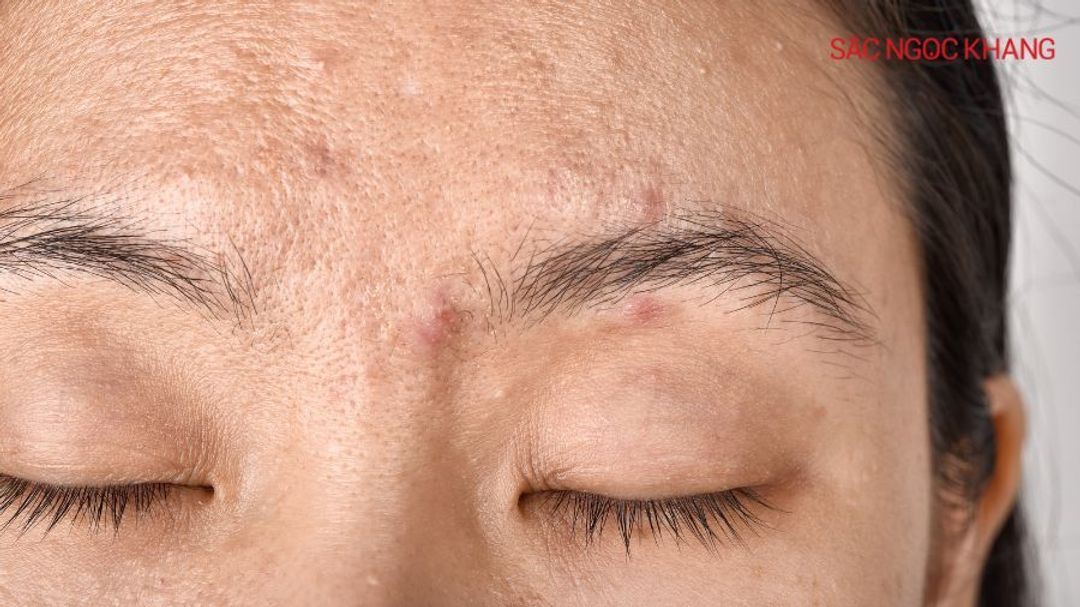
Enlarged pores: When the sebaceous glands are overactive, the pores dilate and become more noticeable.
Skin prone to inflammation: A sebum-rich environment creates conditions for bacteria to grow, leading to inflammation and serious skin problems.
Loss of aesthetics: Sebaceous filaments make the skin uneven in tone, reducing its brightness and eroding confidence.
Affecting makeup: Sebaceous filaments can make makeup uneven, prone to caking, and give a thick, heavy feeling on the skin.
How to reduce sebaceous filaments safely and effectively
To reduce sebaceous filaments safely and effectively, you can apply the following methods:
Cleanse the skin properly
Wash your face twice a day: Choose a cleanser that cleans deeply without drying out the skin. Use a cleanser containing ingredients such as salicylic acid, tea tree oil or activated charcoal to remove excess sebum and dirt from the pores.
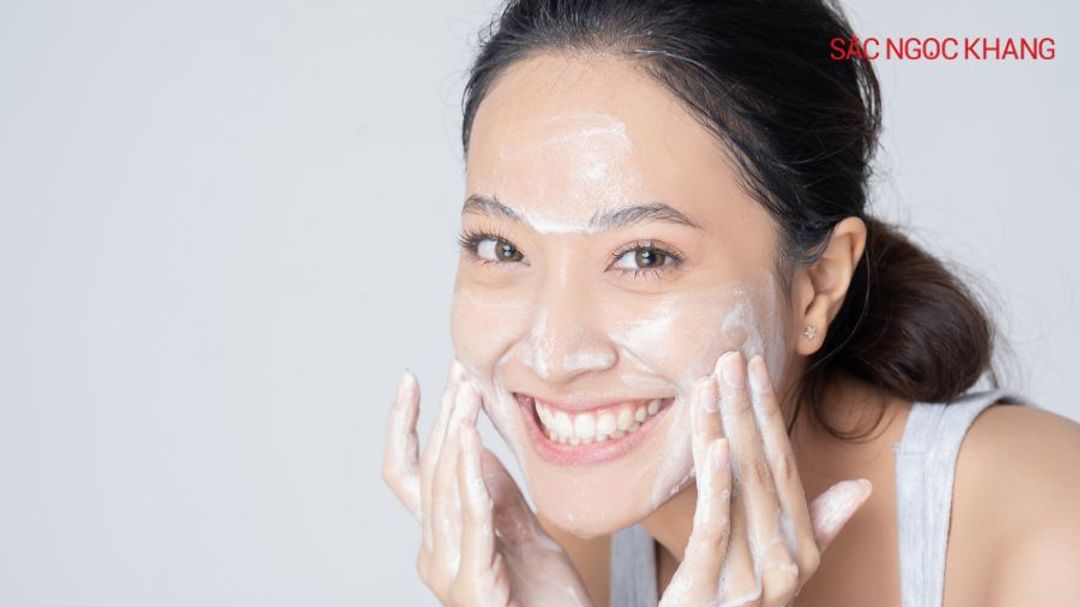
Suggested product: Sắc Ngọc Khang Herbal Facial Cleanser
Remove makeup thoroughly: Especially after wearing makeup, to completely eliminate dirt and excess oil.
Suggested product: Sắc Ngọc Khang Herbal Makeup Remover
Use a facial cleansing device: A facial cleansing device can help clean more deeply than washing by hand.
Exfoliate regularly
Chemical exfoliation: Use products containing AHA or BHA to remove dead skin cells and unclog the pores.
Physical exfoliation: Use fine-grained products to exfoliate gently.
Note: You should not exfoliate too often, as it can irritate the skin.
Suggested product: Sắc Ngọc Khang Coffee Facial Scrub
Use suitable skincare products
Choose non-comedogenic products that do not clog the pores.
Use products containing retinol, niacinamide or salicylic acid to control oil and reduce sebaceous filaments.
Use a toner to balance the skin's pH and tighten the pores.
Serum can be applied after balancing the skin and before moisturizing
Facial steaming
Steaming helps dilate the pores, making it easier to remove sebaceous filaments.
You can steam with warm water or use essential oils such as tea tree or lemongrass.
Note: Do not steam too often or for too long, as it can dry out the skin.
Apply a clay mask
Use a clay mask or activated charcoal mask to absorb sebum and deeply cleanse the pores. This mask helps reduce sebaceous filaments and limit blackheads. You can use a clay mask 1-2 times a week.
Diet and lifestyle
A healthy diet:
Eat plenty of green vegetables, fruit and foods rich in antioxidants.
Drink enough water every day (2-3 liters).
Limit fatty foods, sweets and alcoholic drinks.
A healthy lifestyle:
Get enough sleep (7-8 hours a day).
Reduce tension and stress.
Exercise regularly.
A few other notes
Avoid touching your face, as hands carry a lot of bacteria that can cause acne.
Keep personal items such as face towels, pillows and phones clean.
Be persistent with your skincare steps to achieve the best results.
If there are any signs of skin irritation, stop using the product and consult a dermatologist.
Conclusion
Sebaceous filaments are a common problem but can be completely controlled if you apply the right skincare. Maintaining a proper skincare routine combined with using suitable products will help you achieve healthy, blemish-free skin without excess sebum.
Frequently asked questions
Are sebaceous filaments the same as blackheads?
No. Although they look quite similar to blackheads, sebaceous filaments are part of the skin's normal structure. Blackheads are pore blockages caused by sebum and dead skin cells, usually dark in color due to oxidation.
Should you squeeze out sebaceous filaments?
You should not. Squeezing can enlarge the pores, cause irritation or even infection. Sebaceous filaments will return after a few days because they are a natural mechanism of the skin.
Who is more prone to sebaceous filaments?
People with oily or combination oily skin usually see sebaceous filaments more clearly. However, everyone has sebaceous filaments — only the degree of visibility differs.
Is there any way to make sebaceous filaments disappear permanently?
No. Because sebaceous filaments are a normal part of the skin, they cannot be completely removed. The goal is to control them, not to eliminate them.