

Articles
Do you wash your face after applying a mask? Find out now
HTP Pharma · 05/05/2025

You've just pampered your skin with a fresh, relaxing layer of mask. The moist, smooth, glowing feeling is wonderful! But wait – does the remaining essence on your skin really need to be kept, or should you wash your face to avoid unwanted “counterproductive effects”? Do you wash your face after applying a mask? This isn't a question for you alone. Amid a “forest” of masks with all sorts of benefits and ingredients, determining this final step is sometimes even more important than choosing the mask itself. Let's explore the secret behind the skin after applying a mask, so that each time you care for it is a step toward perfect beauty.
Do you need to wash your face after applying a mask? A detailed answer
Whether you need to wash your face after applying a mask is a common question, and the answer will depend on the type of mask you used. To help you understand better, let's look in detail at each popular type of mask and how to use them.
Types of masks that require washing the face after use
Clay Mask
Benefits: Clay masks usually have the ability to absorb excess oil, cleanse pores, and reduce acne. After the mask dries, you need to rinse your face clean to remove the layer of clay.
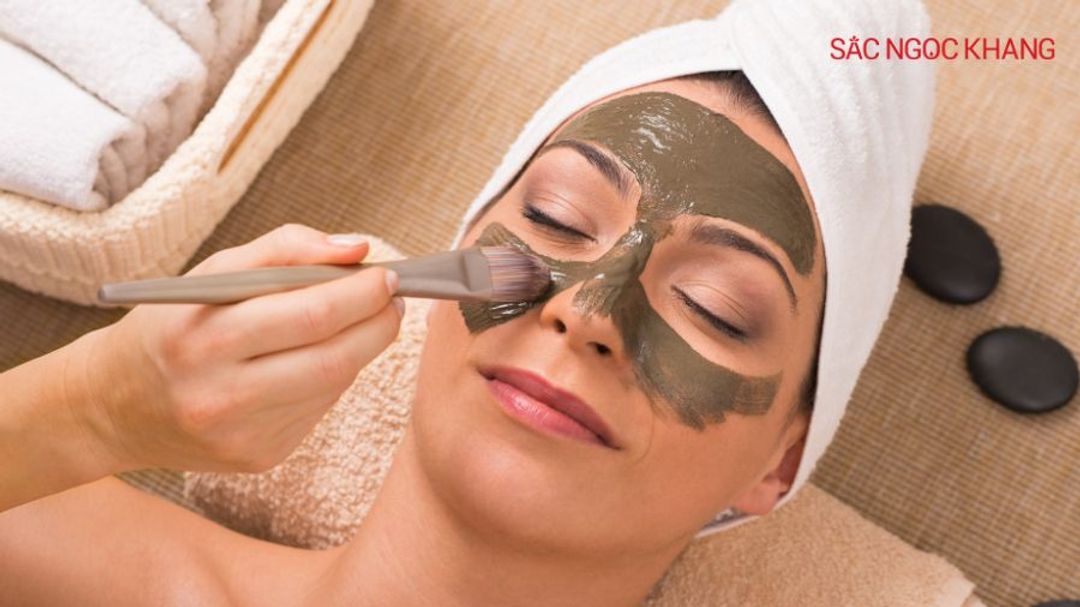
The clay mask can absorb excess oil, cleanse pores, and reduce acne
How to use:
Apply the mask onto the skin for about 10-15 minutes, or until the mask dries.
When the mask has dried and you feel the skin tight and slightly uncomfortable, use warm water to wash your face clean.
You can use a gentle cleanser for a deeper clean if needed.
Reason for washing the face: The clay mask dries on the skin; if left too long it can make skin dry and tight and strip its natural moisture, so you need to rinse it clean to avoid damaging the skin.
Sheet Mask
Although many people think there's no need to wash the face after applying a sheet mask so the nutrients absorb deeper, dermatologists still encourage you to wash your face afterward, especially if you have sensitive or acne-prone skin. The essence remaining on the skin after application is usually thick, hard to fully absorb, and can clog pores. If your skin feels greasy and sticky, rinse it clean with water.
How to use:
Place the sheet mask on the face and keep it on for about 15-20 minutes, depending on the product's instructions.
After removing the mask, gently pat so the nutrients absorb into the skin.
Rinse gently to cleanse and reduce the risk of skin irritation
Note: For a sheet mask, if after application the skin feels dry, comfortable, and not greasy, you don't need to wash your face again.
Suggestion: the Sắc Ngọc Khang Bamboo Fiber Mask provides instant hydration for moist, smooth, radiant skin
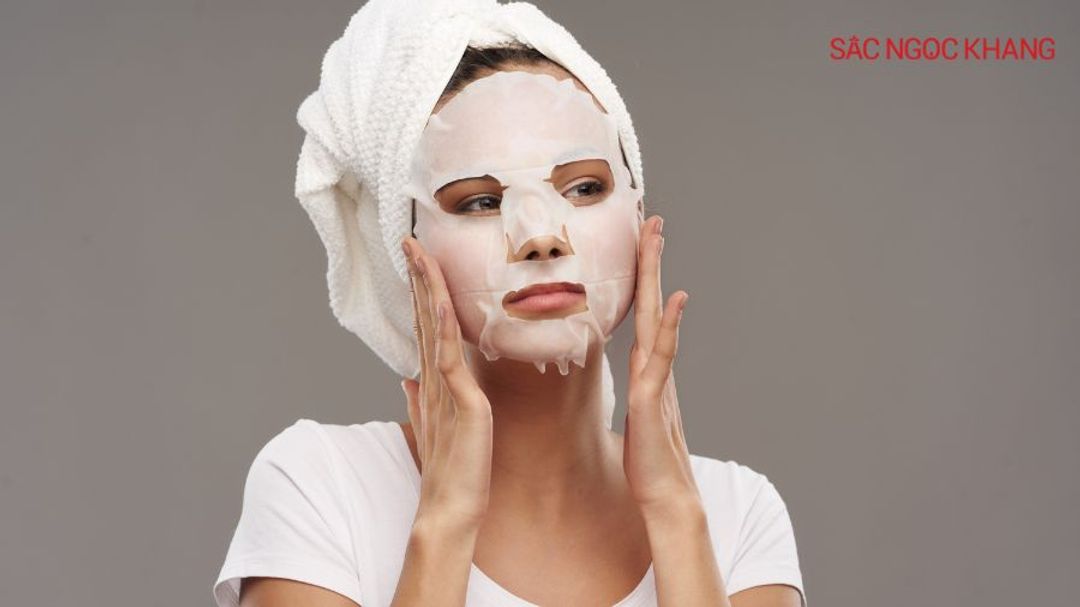
The sheet mask provides instant hydration
Cream Mask
Benefits: Cream masks usually work to moisturize, soften the skin, or provide essential nutrients. After applying, you need to wash your face clean to remove the remaining cream.
How to use:
Apply a layer of cream mask onto the skin and keep it on for about 10-15 minutes.
When the time is up, use warm water to wash your face clean.
You can combine it with a cleanser if you want a deeper clean.
Reason for washing the face: Cream masks usually contain nutrient ingredients that need to be washed off after use to avoid clogged pores or a greasy feeling.
Peel-off Mask
This mask helps remove dead skin cells and blackheads on the skin's surface. After peeling off the mask, you should rinse your face with water to make sure no product residue remains.
Bubble Mask
This type of mask creates foam to deeply cleanse pores. After the foam has fully dissolved and you've gently massaged, rinse your face clean with water.
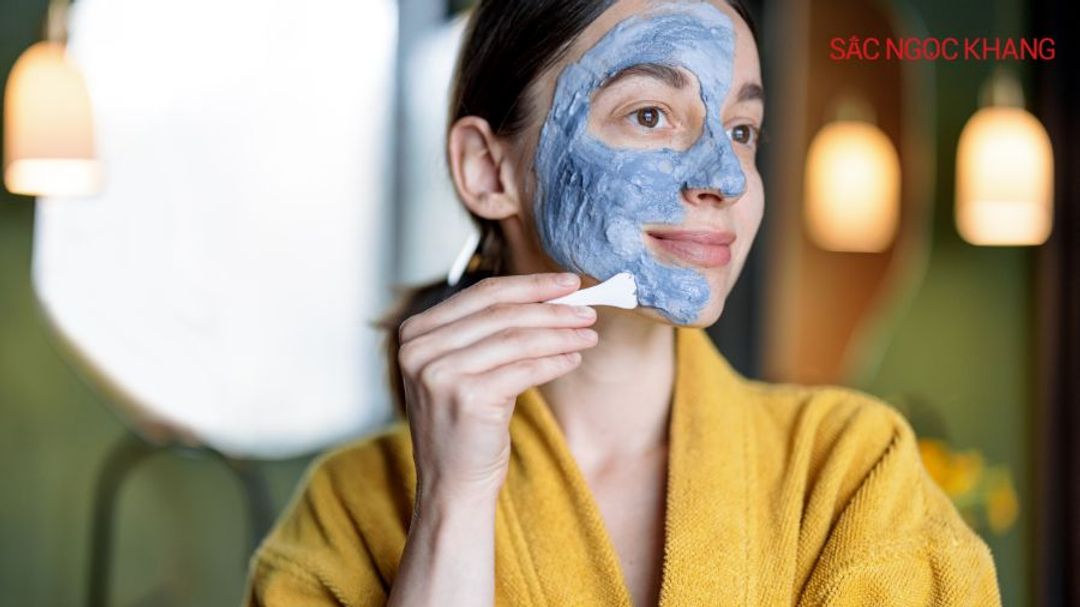
You should rinse again after applying a bubble mask
Types of masks that may not require washing the face
Sleeping Mask
Benefits: The sleeping mask is designed for you to apply overnight, providing nutrients, retaining moisture, and restoring the skin while you sleep. After applying the mask, you don't need to wash your face.
After applying a sleeping mask, you don't need to wash your face
How to use
Apply a thin layer of the mask onto the skin after the final skincare step in the evening.
No need to wash your face after applying. Let the mask work throughout the night.
The next morning, you can wash your face as usual to cleanse the skin.
Reason for not washing the face: The sleeping mask has a gentle texture that doesn't clog pores, helping the skin absorb nutrients throughout the night. You don't need to rinse it off because this mask is designed to absorb into the skin.
Gel Mask
Benefits: Gel masks usually help hydrate and soothe the skin, and are often used for dry or sensitive skin. You don't need to wash your face after use.
How to use:
Apply the gel mask onto the skin and let it absorb into the skin for about 15-20 minutes.
After removing the mask, you can gently pat so the nutrients absorb into the skin. No need to wash your face.
Reason for not washing the face: The gel mask provides moisture and nutrients to the skin, so you should let the skin fully absorb the beneficial components rather than rinsing them off.
Eye Mask
Usually, after applying an eye mask, you don't need to rinse; you only need to gently massage so the nutrients fully absorb.
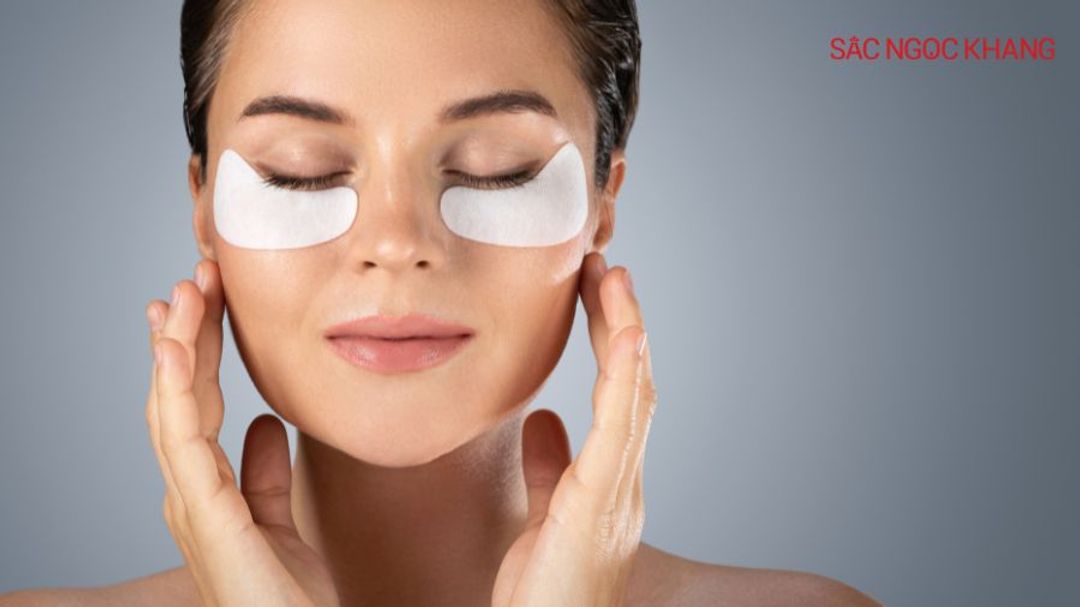
No need to wash your face after applying an eye mask
Things you should know when applying a mask
When applying a mask, there are some important notes to ensure you get the best effect and avoid harming your skin. Below are the points to note:
Choose a mask suitable for your skin type
Oily skin: Choose masks that control oil and cleanse pores, such as clay masks or exfoliating masks.
Dry skin: You should choose a hydrating mask that helps soften the skin, such as a moisturizing mask, gel mask, or sleeping mask.
Sensitive skin: Choose masks with natural, gentle ingredients, avoiding products containing alcohol, strong fragrances, or preservatives that may cause irritation.
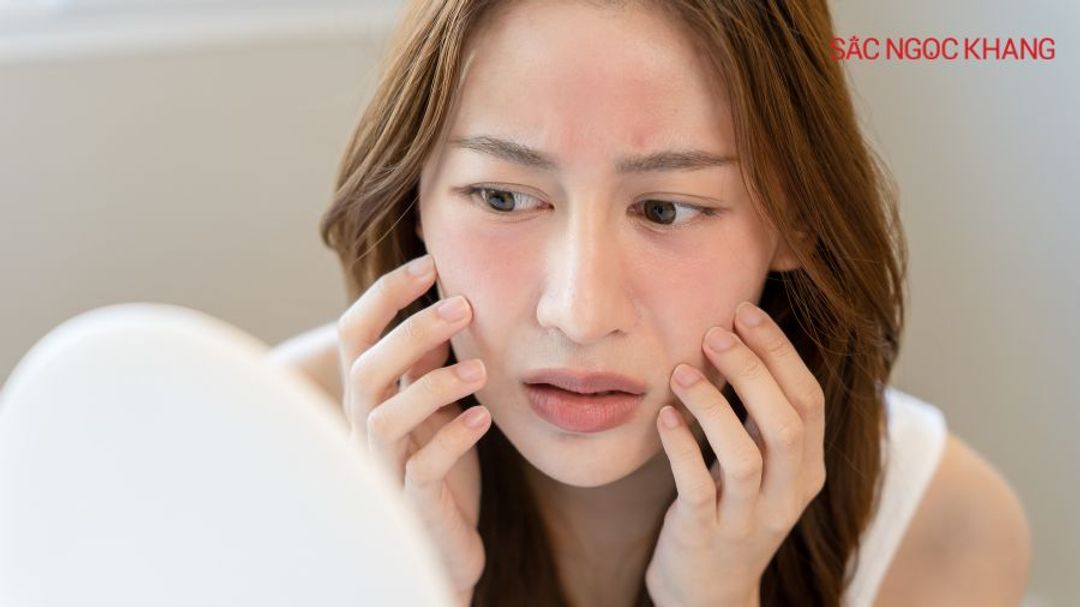
Sensitive skin should choose masks with natural, gentle ingredients
Acne-prone skin: Look for masks containing ingredients such as green tea, activated charcoal, or exfoliating masks to reduce and prevent acne.
Mask application time
You shouldn't leave the mask on the skin too long, as it can be counterproductive, making skin dry or irritated. Usually, mask application time ranges from 10-20 minutes depending on the type of product (check the instructions on the packaging).
The clay mask needs to be rinsed clean as soon as it starts to dry to avoid making skin tight and excessively dry.
Sheet masks or moisturizing masks can be kept on longer, but don't leave them too long because the mask will dry out and the nutrients will no longer be well absorbed.
Cleanse the skin before applying the mask
Before applying the mask, you need to wash your face clean to remove dirt, sebum, and dead skin cells, helping the skin easily absorb the nutrients from the mask.
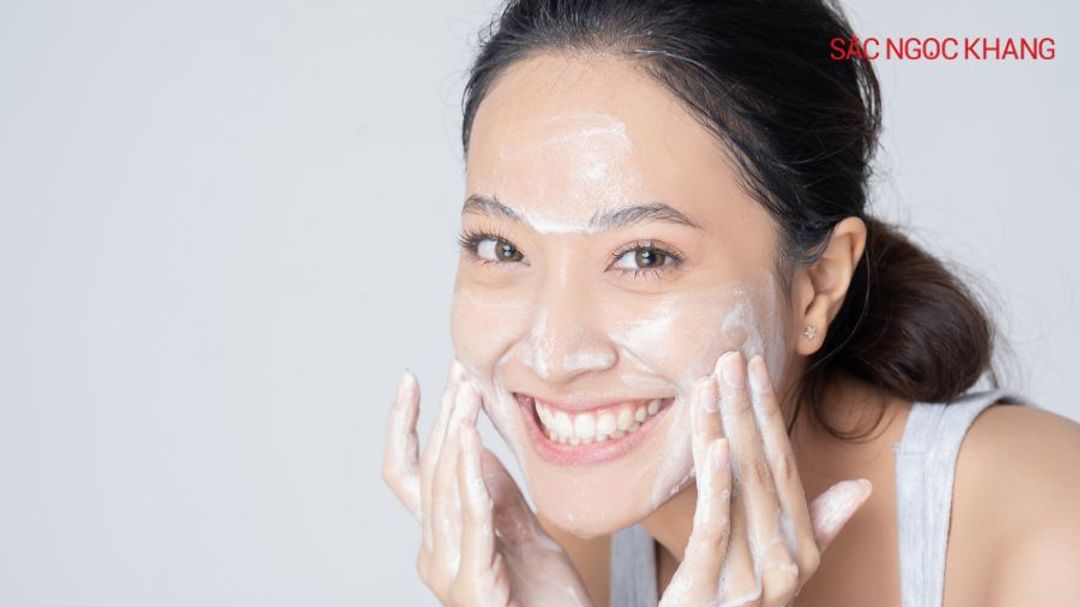
Before applying the mask, you need to wash your face clean to remove dirt, sebum, and dead skin cells
You should use a gentle cleanser suitable for your skin type, and exfoliate gently if needed.
Don't apply masks too frequently
Although masks bring many benefits to the skin, applying them too much can make skin dry, irritated, or clogged (especially for oily or sensitive skin).
It's best to apply a mask only 2-3 times per week, depending on your skin type and your skin's needs.
Pay attention to the ingredients in the mask
Check the ingredients: Make sure the mask does not contain ingredients that irritate the skin, especially if you have sensitive skin.
Test before use: To avoid an allergic reaction, you should try the mask on a small area of skin (such as behind the ear or on the chin) and wait about 24 hours to see whether there are signs of irritation before using it on the entire face.
Don't apply the mask on skin with wounds or irritation
Avoid using the mask if your skin has open wounds, inflamed acne, or irritation. This can make the skin condition worse.
If you have sensitive or easily irritated skin, choose a mask with gentle ingredients and without alcohol or strong fragrances.
Moisturize after applying the mask
After applying the mask, the skin may become dry or lose some of its natural protective layers. Always moisturize right after removing the mask to help the skin retain moisture and softness.
If you apply a hydrating mask, you can skip this step, but if you apply a cleansing or exfoliating mask, don't forget to use a moisturizer.
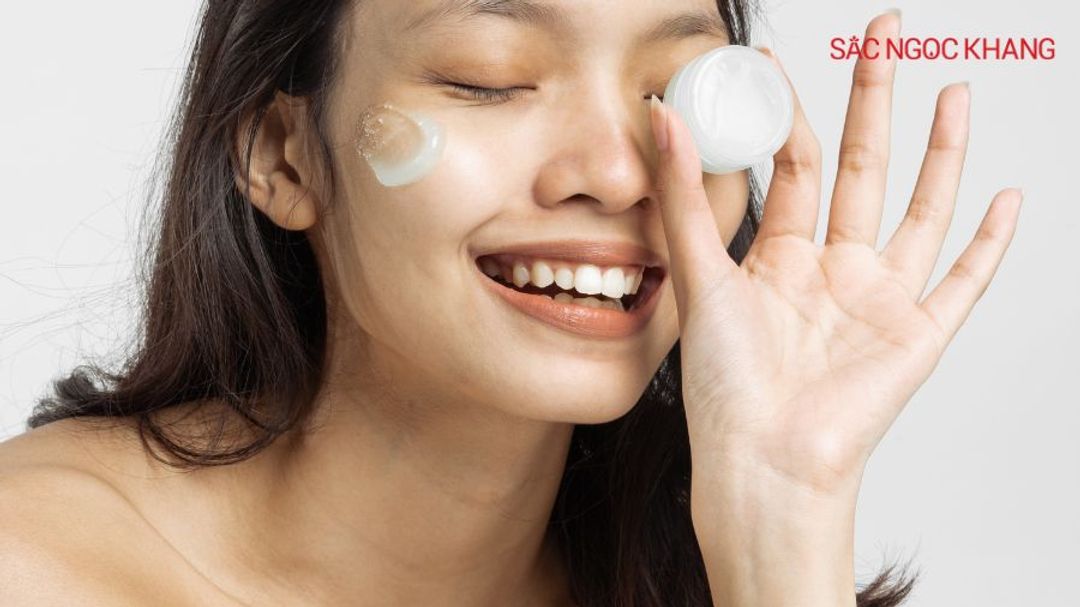
Always moisturize right after applying the mask to help the skin retain moisture and softness
Don't use a mask when the skin is irritated
If you feel your skin is showing signs of irritation, redness, or damage, it's best to stop using the mask until the skin recovers.
Ensure hygiene when using a mask
Make sure your hands are clean before applying the mask to the skin to prevent bacteria from entering the skin.
If you use a jar-type mask, use a clean tool (such as a small spoon or a mask applicator brush) to take the product, avoiding direct contact between your hands and the mask.
Combine with other skincare steps
The mask is only one part of the skincare routine. After applying the mask, you should combine it with other skincare steps such as serum, moisturizer, and sunscreen (during the day) to protect and care for the skin over the long term.
Conclusion
Applying a mask is an important part of the skincare routine, helping to provide nutrients and address skin issues such as acne, dry skin, or aging. However, the question “Do you need to wash your face after applying a mask?” is always a concern for many people. The answer depends on the type of mask you use. If it's a clay mask or a cream mask, you need to rinse your face clean to avoid dry skin or clogged pores. Meanwhile, sheet masks, sleeping masks, or gel masks usually don't need to be rinsed off, because the nutrients will be absorbed into the skin.
In short, whether or not to wash your face after applying a mask depends on the ingredients and benefits of the mask. To achieve the best effect and avoid side effects, you need to choose a mask suitable for your skin type and follow the skincare steps after applying the mask. Always remember to check the product's instructions and maintain a scientific skincare routine for healthy, radiant skin.