

Industry news
Estrogen Imbalance: Signs, Causes, and How to Prevent It
HTP Pharma · 05/03/2024

Estrogen imbalance (also known as female hormone imbalance) is a common condition that has a major impact on women's health. Estrogen, an important hormone in the body, plays a key role in maintaining the menstrual cycle and the balance of water and minerals.
Most importantly, estrogen is also a key factor related to issues of physical development and women's reproductive health. Therefore, a prolonged female hormone imbalance can lead to a number of fairly serious consequences that we must understand clearly in order to know how to prevent it as well as intervene in time.
What Is Estrogen?
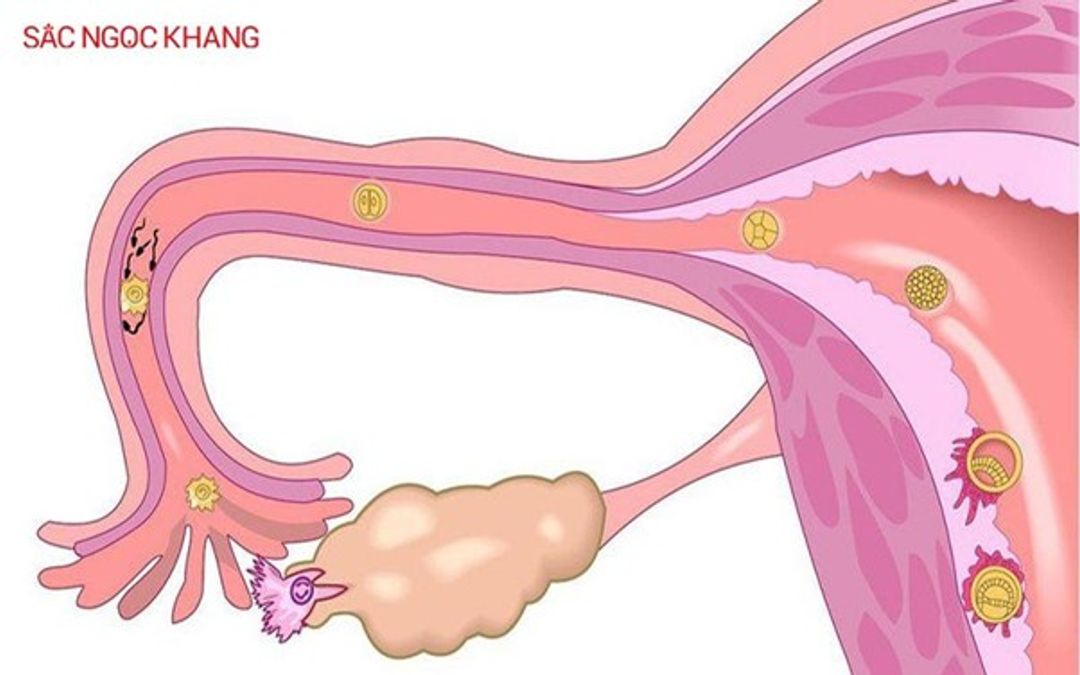
Estrogen is a steroid hormone belonging to the main group of female hormones. In the human body, there are three main types of estrogen: Estrone (E1), Estradiol (E2), and Estriol (E3). Estrogen is produced mainly in the ovaries, the uterus, and the pituitary gland in women, as well as in small amounts in men.
What Is Estrogen Imbalance?
Estrogen imbalance is a condition in which the balance of the hormone estrogen in the body declines or fluctuates unevenly. It affects the regulation of the menstrual cycle and many other bodily functions. Estrogen is an important hormone in a woman's body, affecting the development of female characteristics, the menstrual cycle, bone health, and many other functions.
Hormone imbalance in women can occur at any age, from puberty to perimenopause and menopause. It can be due to many causes, including changes in age, health conditions, lifestyle, or issues related to the pituitary gland or the uterus.
Some Causes of Estrogen Imbalance
Female hormone imbalance can arise from many different causes. Below are some common ones:
Age and menopause: The gradual decline of female hormones (estrogen and progesterone) as women age, especially during menopause, can cause many changes in the endocrine system.
Polycystic ovary syndrome (PCOS): A condition in which the ovaries produce too much male hormone (androgen), which can cause menstrual problems.
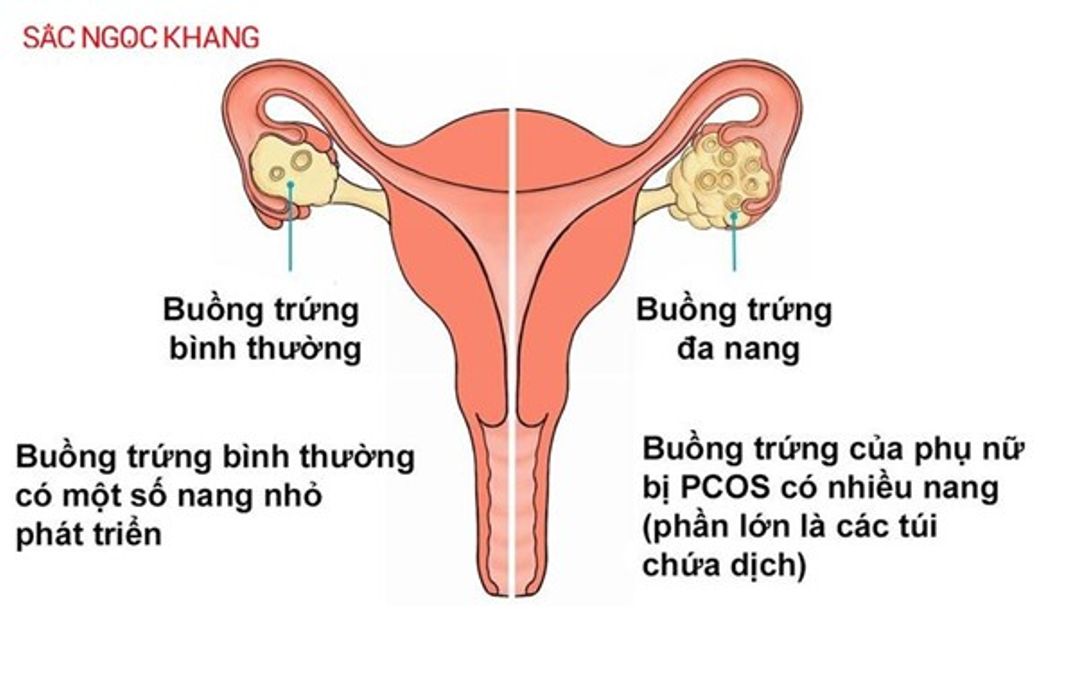
Medications: The use of certain medications, such as birth control pills or antihistamines, can affect hormonal balance.
Thyroid problems: Thyroid disorders, such as thyroiditis and hypothyroidism, can cause disruptions to the menstrual cycle.
Diabetes: Diabetes can affect hormonal balance and cause menstrual problems.
Lifestyle and diet: A poor diet and an unhealthy lifestyle can cause hormonal problems.
Obesity: Obesity is closely linked to hormonal imbalance, particularly the increased production of the hormones insulin and androgen.
Stress: Stress can affect the endocrine system and cause disruptions in the menstrual cycle.
Pituitary gland problems: Disorders of the pituitary gland can affect hormonal balance, causing issues such as diabetes and weight gain.
Signs of Female Hormone Imbalance
Changes in the menstrual cycle: Irregular periods, changes in the amount of menstrual flow, or an off-schedule menstrual cycle.
Reduced libido: Estrogen imbalance can affect sexual desire and sexual sensation.
Changes in hair and skin structure: A decrease in estrogen can cause dry hair, loss of vitality, and even hair loss. The skin may become dry, lose its elasticity, and develop wrinkles.
Changes in body weight: Estrogen imbalance can cause weight gain, particularly around the abdomen.

Feeling fatigued: An estrogen imbalance can cause fatigue, loss of energy, and discomfort.
Mood changes: Many women will feel their mood change, including feelings of sadness, tension, and anxiety.
Muscle and joint aches: Estrogen imbalance can affect bone structure and lead to muscle and joint aches.
How to Prevent Hormonal Imbalance
To guard against estrogen imbalance and maintain female hormonal balance, you can take some of the following measures and lifestyle changes:
A balanced diet: Ensure your diet is rich in fiber and Omega-3 fats, along with a variety of foods containing hormone-supporting nutrients, such as leafy greens, seeds, and salmon.
Increase physical activity: Exercise regularly to maintain a healthy body weight and help control blood sugar levels.

Limit exposure to harmful substances: Avoid contact with harmful substances such as tobacco, chemicals in the work environment, and additives in food.
Manage stress: Learn to reduce stress through methods such as meditation, yoga, or light exercise.
Get enough sleep: Ensure you get enough sleep to support hormonal balance and restore energy.
Keep body weight stable: For women in the menopausal stage, keeping body weight stable can help reduce the symptoms and risks of estrogen imbalance.
Regular health check-ups: See your doctor regularly for a general health check and to assess hormone levels if necessary.
Explore products that help balance hormones naturally, safely, and effectively HERE
Understanding estrogen imbalance is a key to maintaining women's health. If you notice any abnormal signs in yourself, promptly see a qualified doctor to accurately determine your condition and choose the most suitable treatment method. You deserve a healthy and happy life!