

Industry news
How to apply face masks correctly to maximize their benefits
HTP Pharma · 16/04/2025

Face masks are a popular and versatile skincare method. They deliver a high concentration of ingredients designed to address specific skin concerns. Their benefits are wide-ranging, from hydration and oil control to anti-aging and detoxification. This article aims to provide an in-depth guide to help you apply face masks correctly, maximizing their effectiveness and safety.
Understanding your skin: The foundation for effective mask use
Identifying your skin type is key to choosing the right mask. Common skin types include oily, dry, combination, normal, and sensitive skin. Understanding your specific skin concerns (for example: acne, hyperpigmentation, aging) is also very important. Different skin types have different needs and may react differently to the ingredients in a mask.
Oily skin usually benefits from masks that control sebum and cleanse pores (for example: clay, activated charcoal).
Dry skin needs masks that hydrate and moisturize (for example: cream masks, sheet masks containing hyaluronic acid).
Sensitive skin needs gentle, non-irritating formulas (for example: gel masks, masks containing soothing ingredients).
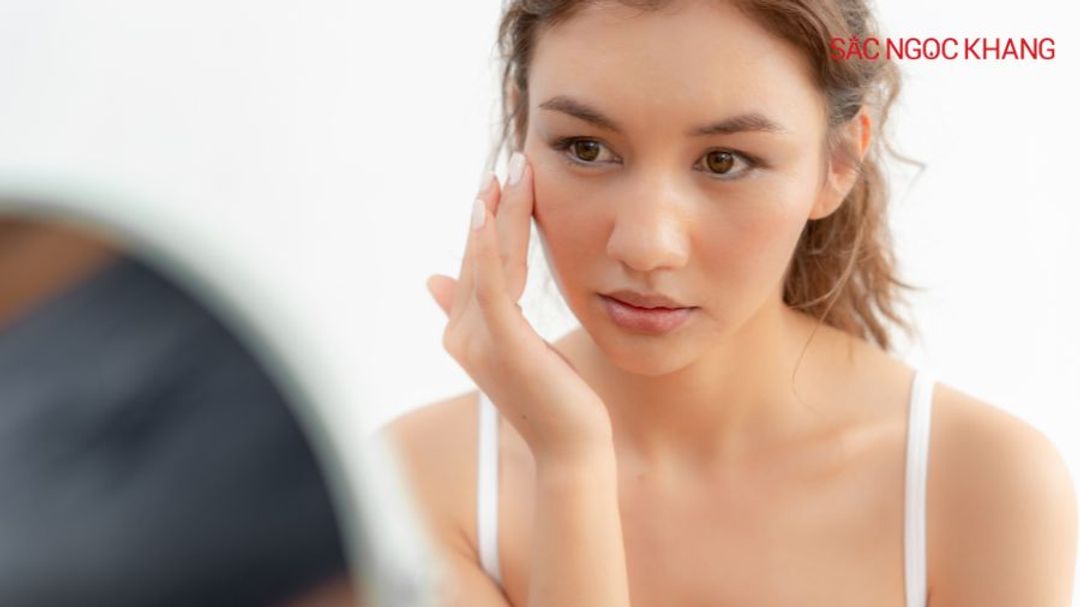
Sensitive skin needs gentle, non-irritating formulas
Choosing an unsuitable mask can lead to ineffectiveness or even adverse reactions. Therefore, understanding your skin's current condition is an important first step to getting the best results from masking.
A comprehensive guide to the types of masks and their benefits
Many different types of masks cater to different skin needs and preferences.
Sheet masks: These are thin fabric sheets soaked in serum, providing hydration and treatments for specific concerns. Benefits include hydration, brightening, and anti-aging depending on the type of serum.
Clay masks: Contain clay to absorb excess sebum, impurities, and detoxify the skin. Ideal for oily and acne-prone skin.
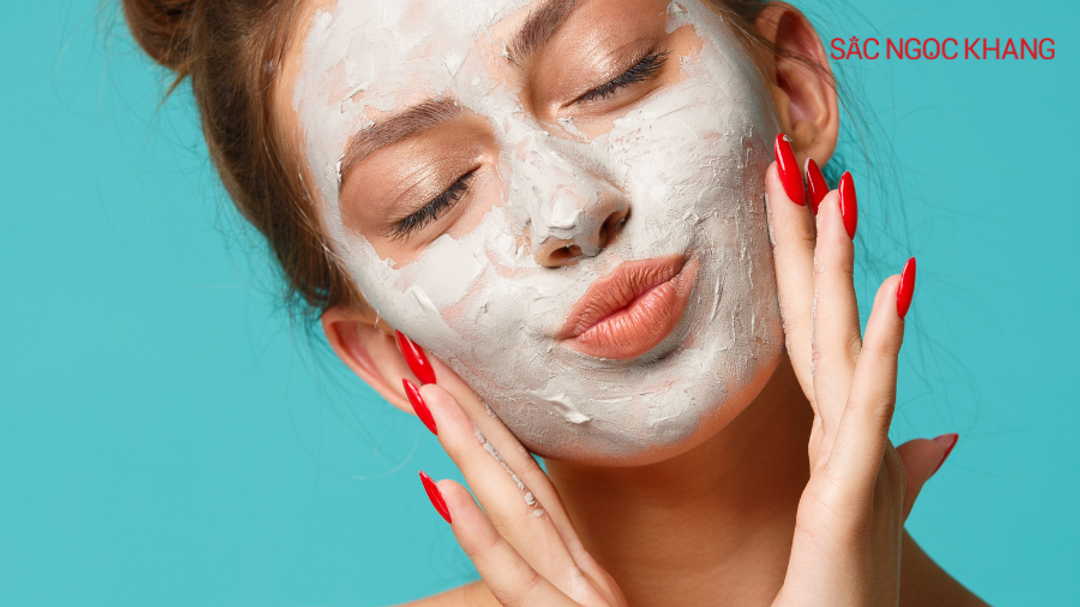
Clay masks absorb excess sebum, impurities, and detoxify the skin
Gel masks: Usually provide hydration and a cooling sensation, suitable for sensitive or irritated skin. Can help soothe and restore damaged skin.
Sleeping masks: Applied before bed and left on overnight to provide deep hydration and nourishment. They deliver intensive hydration and skin repair while you sleep.
Peel-off masks: Form a film on the skin that is then peeled off, aiming to remove blackheads, whiteheads, and dead skin cells. Can be effective at removing surface impurities.
Bubble masks: Foam up when applied, helping to cleanse pores and detoxify the skin. They provide deep cleansing and can improve skin radiance.
Cream masks: Rich in nutrients and moisture, usually aimed at hydration, anti-aging, or specific skin conditions. They provide deep hydration and can address concerns such as uneven skin tone.
Eye masks: Specially formulated for the delicate skin around the eyes, targeting hydration, reducing dark circles and puffiness. They help moisturize and reduce signs of aging around the eyes.
Thermal masks (self-heating masks): Generate gentle heat to open pores for deeper cleansing and better absorption of ingredients. Can improve blood circulation and product penetration.
Choosing the type of mask suited to your needs and skin type is very important to achieve the desired results.
Maximizing the effectiveness of your mask: How to apply masks correctly
Applying masks correctly is essential to achieve the desired benefits and avoid potential irritation.
Before applying the mask: Preparing the skin for optimal absorption
Cleanse thoroughly: Start with a clean face to remove makeup, dirt, and excess oil. Use a gentle cleanser suited to your skin type. Consider double cleansing if you are wearing heavy makeup.
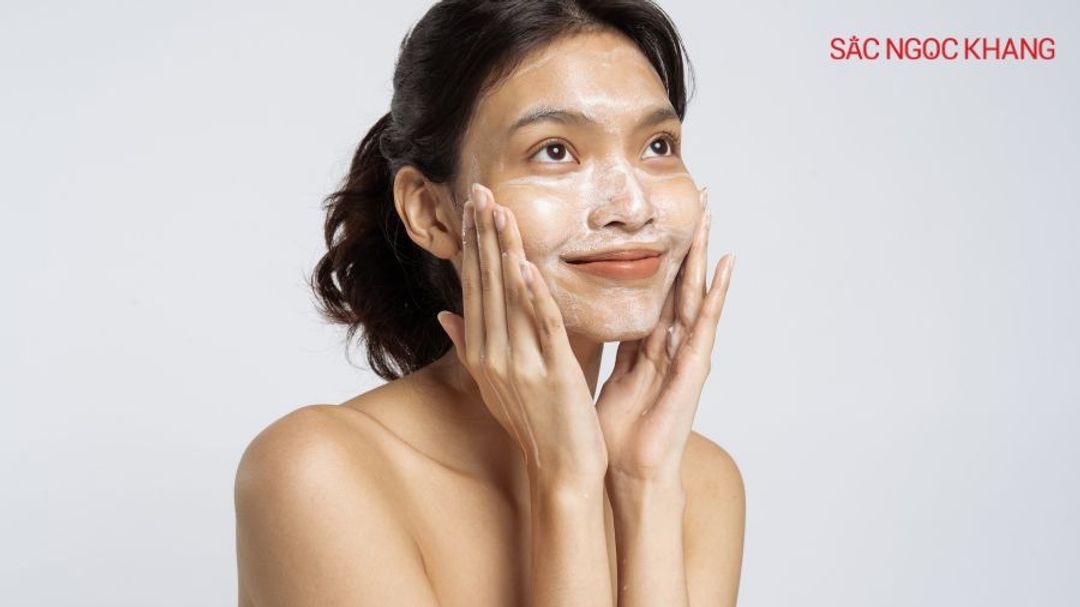
Use a gentle cleanser suited to your skin type
Exfoliate (optional): Gently exfoliating 1-2 times a week can remove dead skin cells, helping the mask absorb better. Avoid over-exfoliating, which can irritate the skin.
Balance the skin (optional): Applying toner can balance the skin's pH and better prepare it for masking. Choose a toner suited to your skin type.
Steaming: Steaming the face or using a warm towel can help open pores for deeper cleansing, especially beneficial before applying clay masks or peel-off masks.
While applying the mask: Best practices for the desired results
Apply evenly: Apply a thin, even layer of mask over the face, avoiding the eye and mouth areas (unless the mask is specifically designed for those areas). Use clean hands or a mask applicator. For sheet masks, ensure proper alignment with the contours of the face.
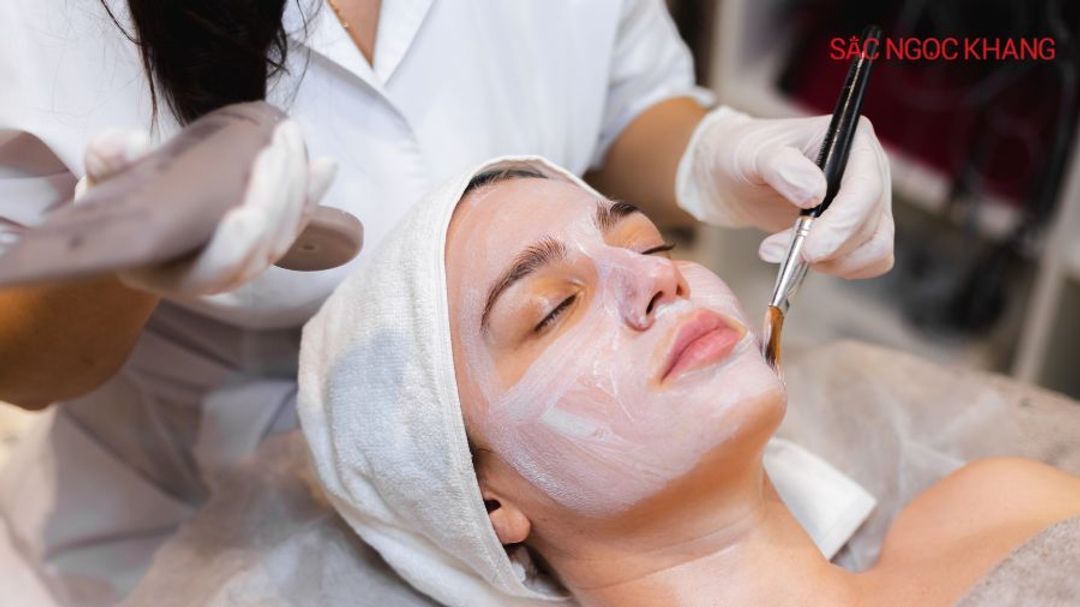
Apply a thin, even layer of mask over the face, avoiding the eye and mouth areas
Relax and avoid movement: Relax your facial muscles during the masking time to prevent wrinkles and ensure the mask stays in place.
Follow the instructions: Adhere to the recommended masking time on the product packaging. Avoid leaving the mask on too long, as it can sometimes lead to adverse effects such as dehydration.
After applying the mask: Essential steps to enhance and maintain the benefits
Remove gently: Remove the mask as instructed. Peel-off masks should be peeled gently from the bottom up. Sheet masks should be removed gently.
Rinse (if needed): Whether you need to rinse after applying a mask depends on the type of mask. Wash-off masks (clay, peel-off, cream) usually need to be rinsed off with warm water. No-rinse masks (sheet masks, sleeping masks, some gel/cream masks) may not need rinsing. If the skin feels sticky after a sheet mask, you can optionally rinse it off. Experts recommend washing the face after a sheet mask, especially for oily or acne-prone skin.
Balance the skin (optional): Reapply toner to balance the skin after washing the face.
Moisturize: Always apply a moisturizer to lock in hydration and the benefits of the mask. For sleeping masks, apply the moisturizer before applying the mask.
Apply serum (optional): Serum can be applied after balancing the skin and before moisturizing to further address specific skin concerns.
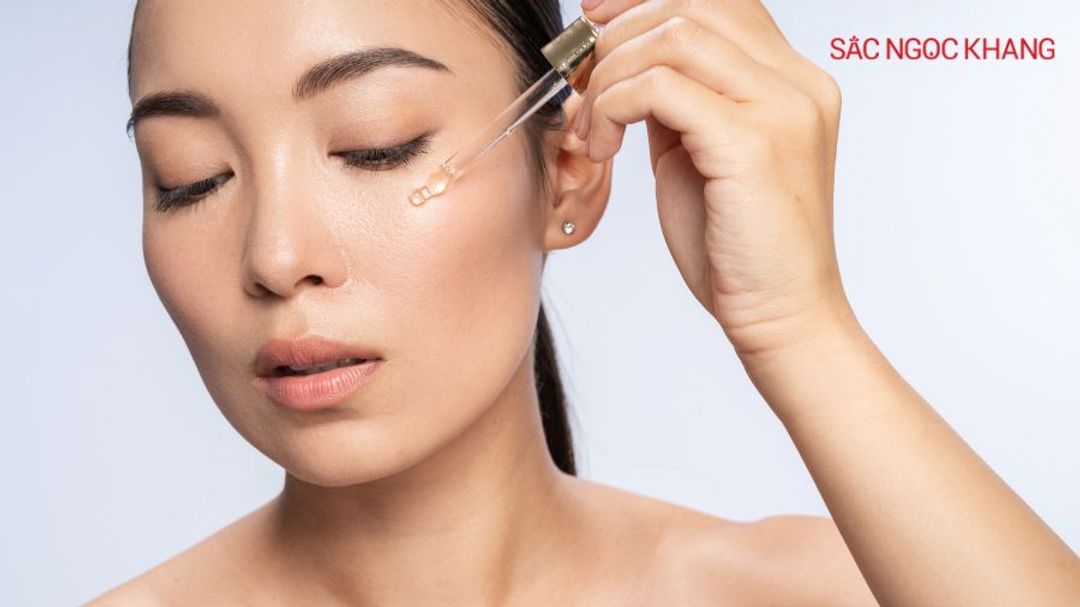
Serum can be applied after balancing the skin and before moisturizing
Eye cream: Apply eye cream after masking to care for the delicate skin around the eyes.
Sunscreen (daytime): If masking during the day, always finish with sunscreen to protect the skin, especially since some masks can increase the skin's sensitivity to sunlight.
Optimal masking time and frequency for different skin types and mask types
The optimal masking time and frequency vary depending on the skin type and the type of mask used.
General guidelines on timing
Most types of masks (sheet, cream, gel, clay, peel-off, bubble) are usually applied for 10-20 minutes.
Some masks have a shorter time (for example: 5 minutes) or a longer time (up to 30 minutes). Always check the product's instructions for use.
Sleeping masks are designed to be left on overnight.
Avoid leaving masks on too long, as they can dry out and potentially draw moisture back out of the skin.
General guidelines on frequency
Most types of masks are recommended for use 1-3 times a week.
Masking too often can overload the skin and potentially damage the skin's protective barrier.
Frequency based on skin type:
Oily skin: May benefit from masking 2-3 times a week.
Dry skin: Usually 1-2 times a week.
Combination skin: May vary, usually 2-3 times a week, focusing on different areas or using a multi-masking technique.
Sensitive skin: Should start with once a week and observe the skin's reaction.
Mature skin: May benefit from masking 3-4 times a week, focusing on hydration and anti-aging.
Acne-prone skin: 2-3 times a week with masks targeting acne treatment.
Frequency based on mask type:
Exfoliating masks (including some clay masks): Once a week.
Hydrating masks: Can be used more frequently, 2-3 times a week or as needed. Some can even be used daily.
Clay/detox masks: 1-2 times a week due to their strong oil-absorbing properties.
Sheet masks: Usually 2-3 times a week.
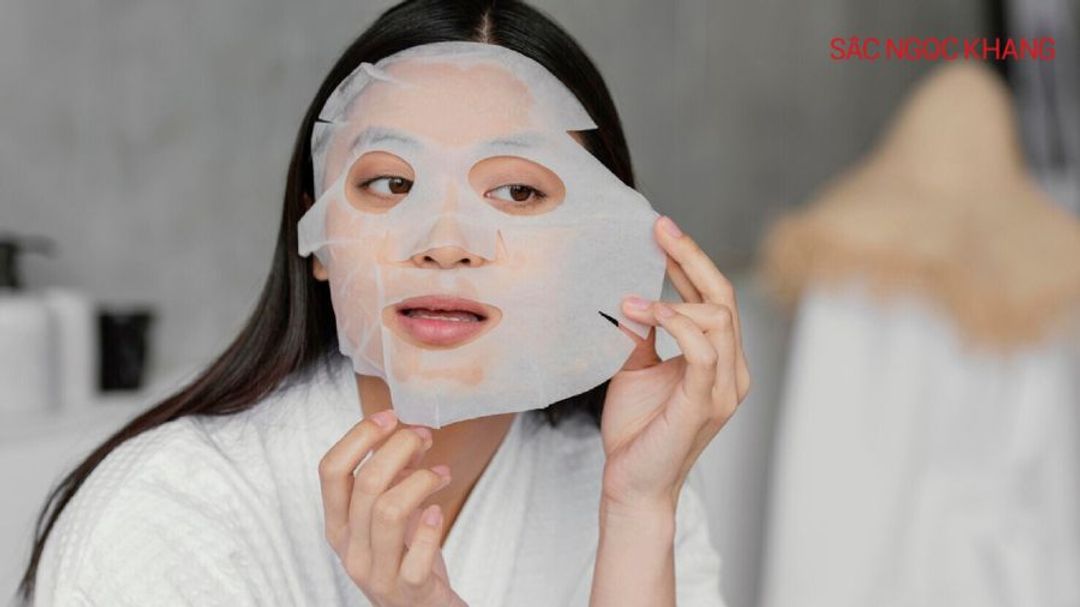
Sheet masks: Use 2-3 times a week.
Sleeping masks: 2-3 times a week, not a substitute for daily moisturizer.
Peel-off masks: 1-2 times a week to avoid irritation.
Bubble masks: 1-2 times a week.
Things to avoid when using masks
Some common mistakes can reduce the effectiveness of a mask or even harm the skin.
Not cleansing the skin first: Applying a mask onto dirty skin will block the absorption of nutrients and can trap impurities.
Over-exfoliating before masking: Although exfoliating can help, doing it too often or using harsh exfoliating products before masking can irritate the skin.
Using a mask unsuited to your skin type: Using a mask that doesn't suit your skin type can lead to irritation, breakouts, or failure to achieve the desired results.
Leaving the mask on too long: Can cause dehydration, irritation, or even draw moisture back out of the skin.
Applying too much mask: A thick layer does not necessarily increase effectiveness and can sometimes hinder absorption or clog pores.
Not rinsing when necessary: Failing to rinse off masks that require rinsing can leave residue that clogs pores or irritates the skin.
Rinsing when unnecessary: Rinsing off masks that don't require rinsing can wash away their benefits.
Skipping the patch test: Not testing a new mask on a small area of skin before applying it to the entire face can lead to allergic reactions or irritation.
Using expired masks: Expired products may no longer be effective and can potentially harm the skin.
Applying a mask onto irritated or damaged skin: Can worsen existing skin conditions.
Not moisturizing after masking: Failing to moisturize after masking can leave the skin feeling dry or unbalanced.
Using only one type of mask: Limiting yourself to a single type may not effectively address all of your skin concerns.
Conclusion
Masks can be a valuable addition to any skincare routine when used correctly. Understanding your skin type, choosing the right type of mask, following proper application techniques, and adhering to the recommended frequency and timing are key to maximizing the benefits and minimizing the risks. By avoiding common mistakes and incorporating expert advice, you can effectively integrate masks into your skincare routine for healthier and more radiant skin.