

Industry news
Stroke and what you need to know
HTP Pharma · 01/11/2022
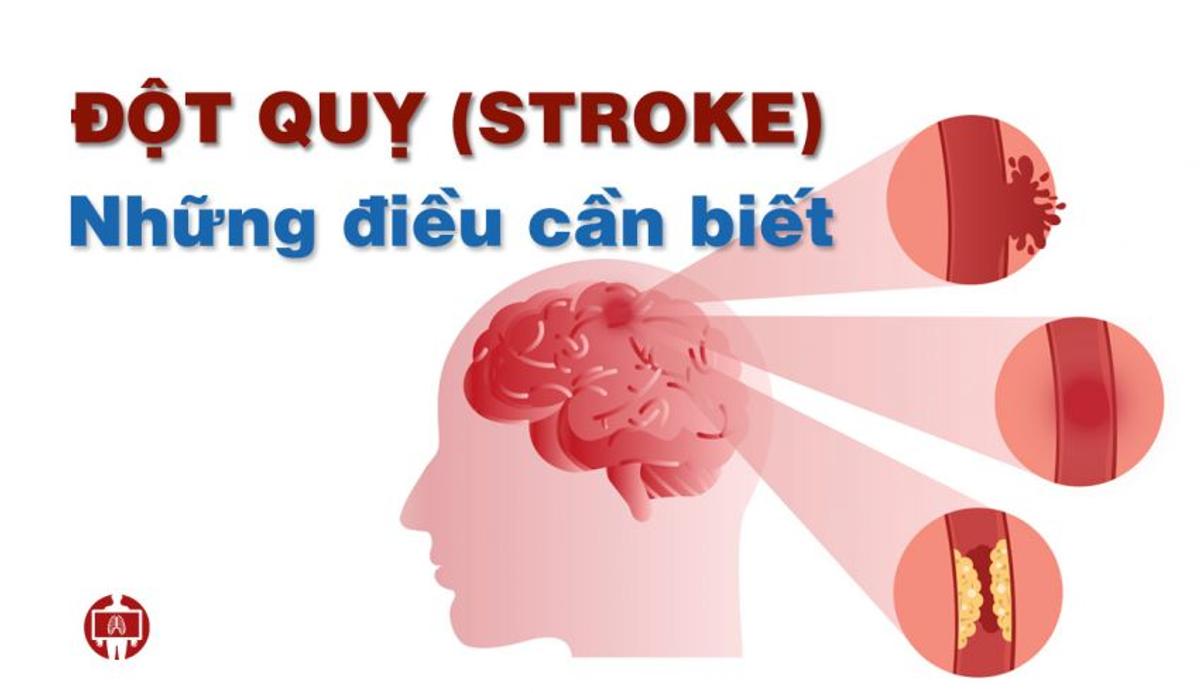
Stroke is the second leading cause of death and the main cause of disability worldwide. Stroke rates are highest in developing countries, where ischemic stroke is the most common type. Understanding the pathophysiology of stroke and the basic mechanisms that lead to it is a way to help you detect it early and provide timely emergency care.
STROKE
A stroke, sometimes called a brain attack, occurs when something blocks the blood supply to part of the brain or when a blood vessel in the brain bursts.
In both cases, parts of the brain are damaged or die. A stroke can cause lasting brain damage, disability, or even death.
WHAT HAPPENS IN THE BRAIN DURING A STROKE
The brain controls movement, stores memories, and is the source of our thoughts, emotions, and language. The brain also controls many body functions, such as breathing and digestion.
To work well, your brain needs oxygen. Arteries deliver “oxygen-rich blood” to all parts of the brain. If something happens to block the flow of blood, brain cells begin to die within a few minutes, because they cannot get oxygen. This causes a stroke.
TYPES OF STROKE AND THEIR SIGNS
The common types of stroke include:
Ischemic stroke: Most strokes are ischemic strokes, which occur when a blood clot or other particles block the blood vessels leading to the brain. Fatty deposits called plaque can also cause blockages by building up in the blood vessels.
Hemorrhagic stroke: A hemorrhagic stroke occurs when an artery in the brain leaks blood or ruptures. The leaked blood puts too much pressure on the brain cells, damaging them. High blood pressure and aneurysms – balloon-like bulges in an artery that can stretch and burst – are examples of conditions that can cause a hemorrhagic stroke.
Transient ischemic attack (TIA): A TIA is sometimes called a “warning stroke.” It is important to know that:
A TIA is a warning sign of a future stroke.
A stroke and a TIA both require emergency care. Call emergency services immediately if you feel you have signs of a stroke or see the symptoms in someone around you.
There is no way to tell at the outset whether the symptoms are from a TIA or from a major type of stroke.
Like an ischemic stroke, a blood clot is often what causes a TIA.
More than a third of people who have a TIA and are not treated will have a major stroke within 1 year. About 10% to 15% of people will have a major stroke within 3 months of a TIA.
Of these, ischemic stroke is the most common type of stroke, accounting for about 85% of all stroke cases. A transient ischemic attack is classified as a minor stroke, with the same basic mechanism as a full stroke. In a TIA, the blood supply to part of the brain is temporarily blocked. Recognizing and treating a TIA can reduce the risk of a major stroke. If you have a TIA, medical staff can find the cause and take steps to prevent a major stroke. It acts as an early warning sign, offering an opportunity for you to change your lifestyle and begin taking medication to lower your stroke risk.
Signs: Unlike other types of illness, a stroke often occurs suddenly and without lingering symptoms that you can notice. However, the following specific signs can help you recognize a stroke early in yourself or in those around you.
Sudden numbness or weakness in the face, arm, or leg, especially on one side of the body.
Sudden confusion, trouble speaking, or difficulty understanding speech.
Sudden trouble seeing in one or both eyes.
Sudden trouble walking, dizziness, loss of balance, or lack of coordination.
A severe, sudden headache with no known cause.

Stroke treatments are only most effective if the stroke is recognized and diagnosed within 3 hours of the first symptoms. A stroke patient needs to be taken to the hospital promptly.
If you think someone may be having a stroke, act FAST and check the following:
F — Face: Ask the person to smile. Does one side of the face droop?
A — Arms: Ask the person to raise both arms. Does one arm drift downward?
S — Speech: Ask the person to repeat a simple phrase. Is their speech slurred or garbled?
T — Time: If you see any of these signs, call the nearest medical facility immediately.
Note the time when any symptom first appears; this information will help doctors determine the best treatment for the patient.
Do not drive to the hospital or let someone else drive you. Call an ambulance so that medical staff can begin emergency care on the way to the hospital.
GUIDE TO FIRST AID FOR A STROKE PATIENT WHO IS UNCONSCIOUS BUT STILL BREATHING
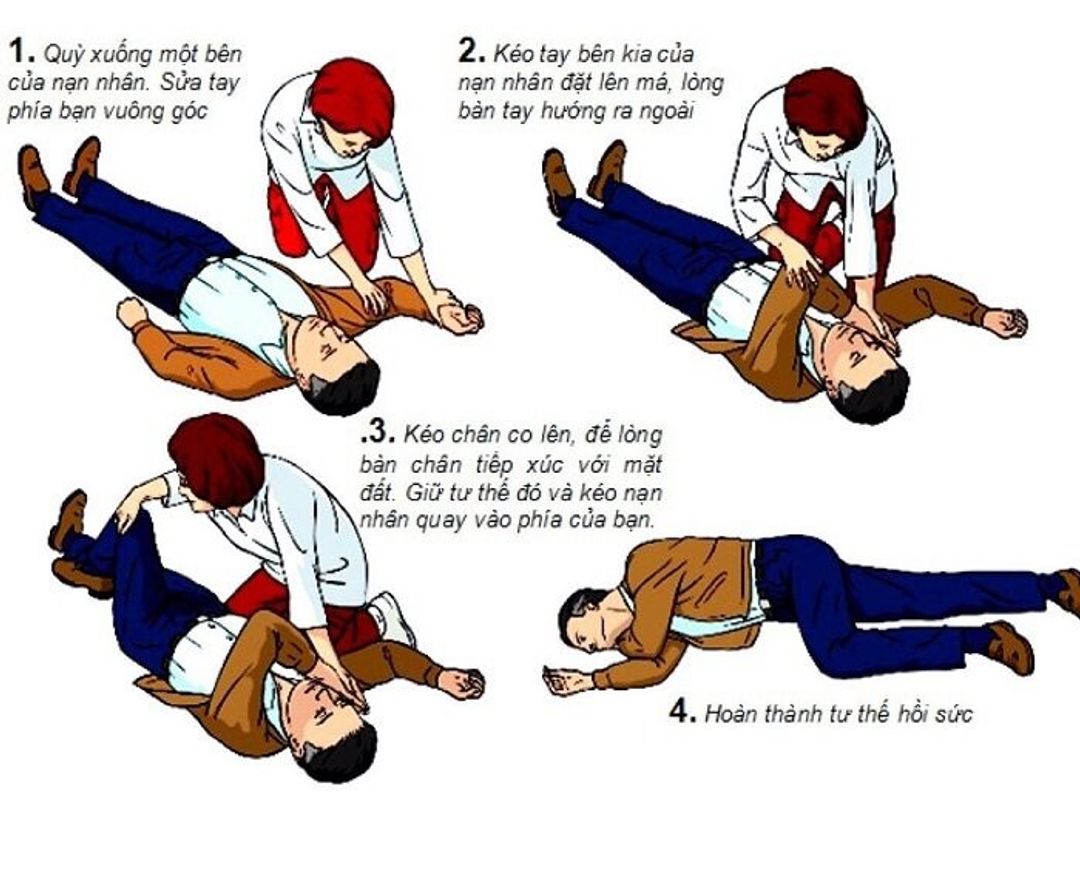
If you suspect that a person is having a stroke, you need to call emergency services right away. While waiting for the ambulance to arrive, you should take the following steps to provide first aid to the stroke patient:
Place the person having the stroke in a safe, comfortable spot, lying on their side with the head slightly raised.
Check whether they are breathing. If not, perform cardiopulmonary resuscitation (CPR) on the patient. If they are having difficulty breathing, loosen or remove any unnecessary clothing such as a tie or scarf.
Talk to and reassure the patient.
Cover them with a blanket to help keep them warm.
Do not give them anything to eat or drink.
If the patient shows signs of limb weakness, do not move them.
Carefully observe any changes in the patient and relay the patient's stroke symptoms to the medical staff, for example if they fell or hit their head.
References:
Pathophysiology and Treatment of Stroke: Present Status and Future Perspectives; PMC7589849 (Diji Kuriakose and Zhicheng Xiao)
Stroke Signs and Symptoms by cdc.gov