

Industry news
Atopic dermatitis
HTP Pharma · 01/11/2022
Atopic dermatitis
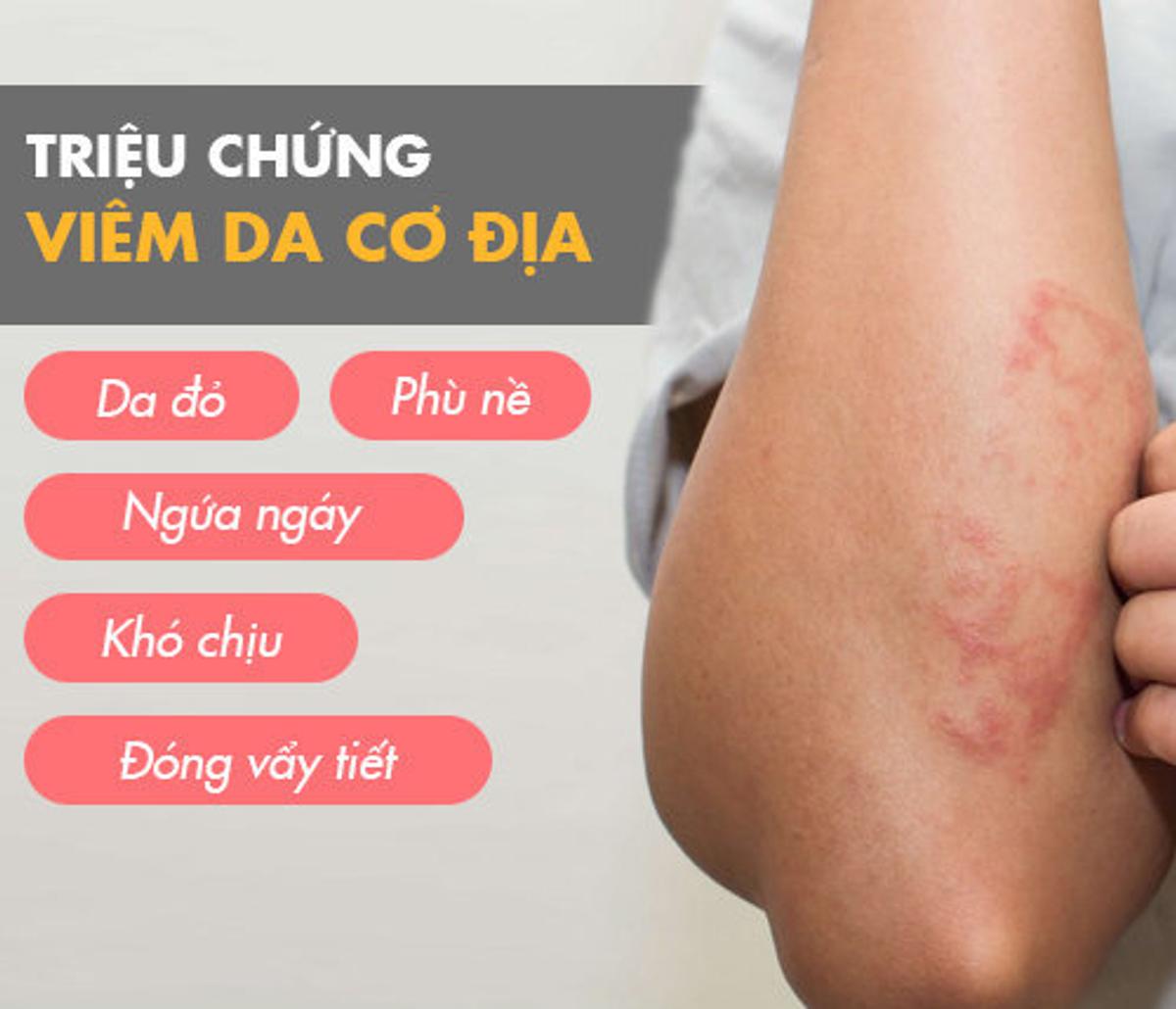
Atopic dermatitis, commonly known as Eczema, is a chronic inflammatory skin disease with a complex pathogenesis linked to factors such as: genetic susceptibility, immune dysfunction in the skin, and external environmental factors. When affected, patients suffer persistent skin damage that harms their appearance, reduces their confidence in social interactions, and causes depression, insomnia and a reduced quality of life.
Typical common symptoms of atopic dermatitis include:
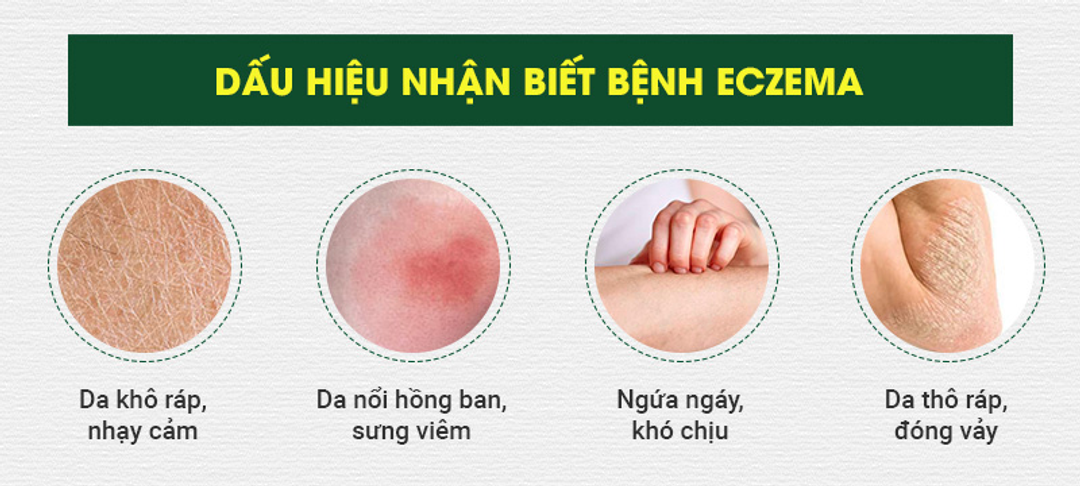
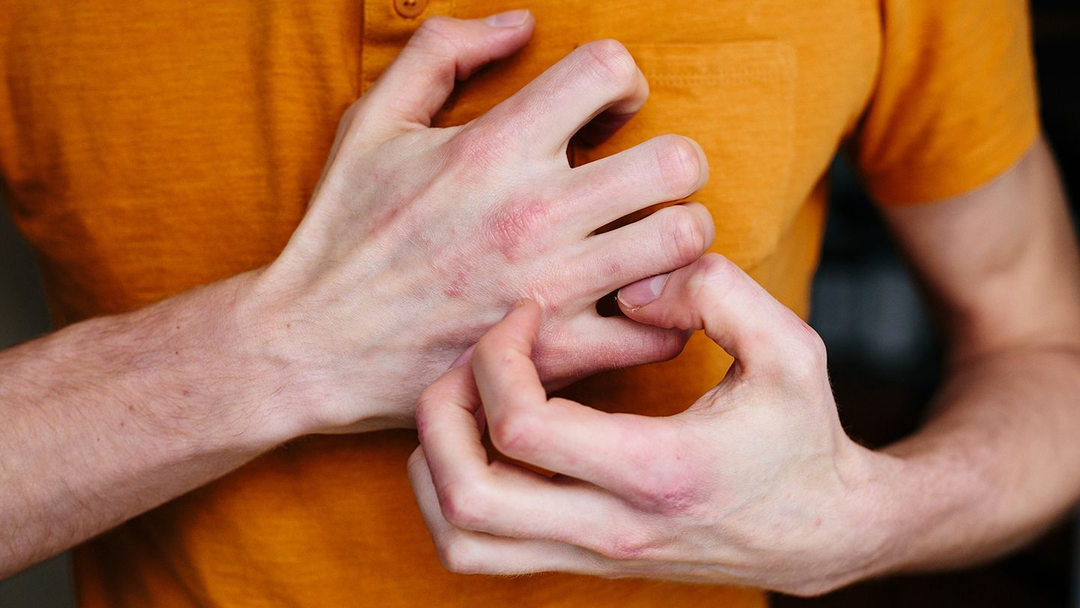
Tingling or intense itching at the inflamed skin area.
Red, inflamed skin that flakes and oozes fluid
Thickened, keratinized skin that cracks, causing pain and discomfort
2. Who is prone to atopic dermatitis.
As mentioned above, atopic dermatitis stems from many causes. With advances in molecular biology, researchers have identified certain groups that are prone to this condition:
People with an allergic, hypersensitive constitution, or weather allergies.
People who are regularly in contact with chemicals, soaps and detergents.
People with acute infections that cause immune suppression
Endocrine disorders.
Nervous tension, stress.
3. Treating atopic dermatitis and things to note during the treatment process.
Given that it is a chronic disease, a complete cure seems impossible, but we can still control it depending on the severity. The main measures used in treatment are preventing and treating flare-ups as well as complications of the disease, in order to return the skin to a normal state for as long as possible.
Reduce itching caused by irritation with a topical cream; if the itching still does not improve much, antihistamine (H1) medication should be used to counter the allergenic factor.
Moisturize and protect the skin: When affected by atopic dermatitis, the skin is often dry and flaky… the skin needs moisturizing with vaseline or emollient products that soften, hydrate and nourish the skin.
Anti-inflammatory: If the skin shows an inflammatory reaction with redness, swelling and itching, you need to use anti-inflammatory medication in the form of a Corticoid-containing cream to improve the situation. Anti-inflammatory application should be limited as it can easily cause side effects, change skin color and increase the risk of infection.
If you develop a skin infection, you need to go to a medical facility immediately for examination by a doctor, who will prescribe an antibiotic suited to your condition.
Build a healthy, nutritionally complete diet to strengthen the immune system.
4. How to prevent atopic dermatitis and restore the skin after inflammation?
Once the atopic dermatitis is under control, you need to maintain measures to prevent recurrence, restore, nourish the skin, and heal the lesions or areas of skin after inflammation by:
Continuing to use a suitable moisturizing, emollient cream.
Avoid foods that easily cause allergies, keep the house clean, regularly wash blankets, mattresses, rugs and curtains, avoid cigarette smoke and dusty, polluted environments.
Maintain good personal hygiene, especially after sweating a lot or being exposed to hot, sunny or dusty environments.
Avoid prolonged contact with chemicals.
Use additional cosmetic products designed for sensitive skin.
Maintain a healthy diet and lifestyle
Avoid prolonged contact with chemicals.
Do not use anti-allergy or anti-inflammatory medication or topical cream products on your own without a doctor's or pharmacist's prescription.
References:
1. Diagnosis and Management of Atopic Dermatitis: A Review Maliyar, Khalad BA; Sibbald, Cathryn MD, BScPhm, ACPR, FRCPC; Pope, Elena MD, MSc, FRCPC; Gary Sibbald, R. DSc (Hons), MD, MEd, BSc, FRCPC (Med Derm), ABIM, FAAD, MAPWCA
2. Dermatol Ther (Heidelb).
3. Healthcare Resource Utilization and Direct Cost of Patients with Atopic Dermatitis in Dubai, United Arab Emirates: A Retrospective Cohort Study.