

Articles
Patch melasma: an A-to-Z decoding of this “troublesome” type of melasma
HTP Pharma · 15/02/2025
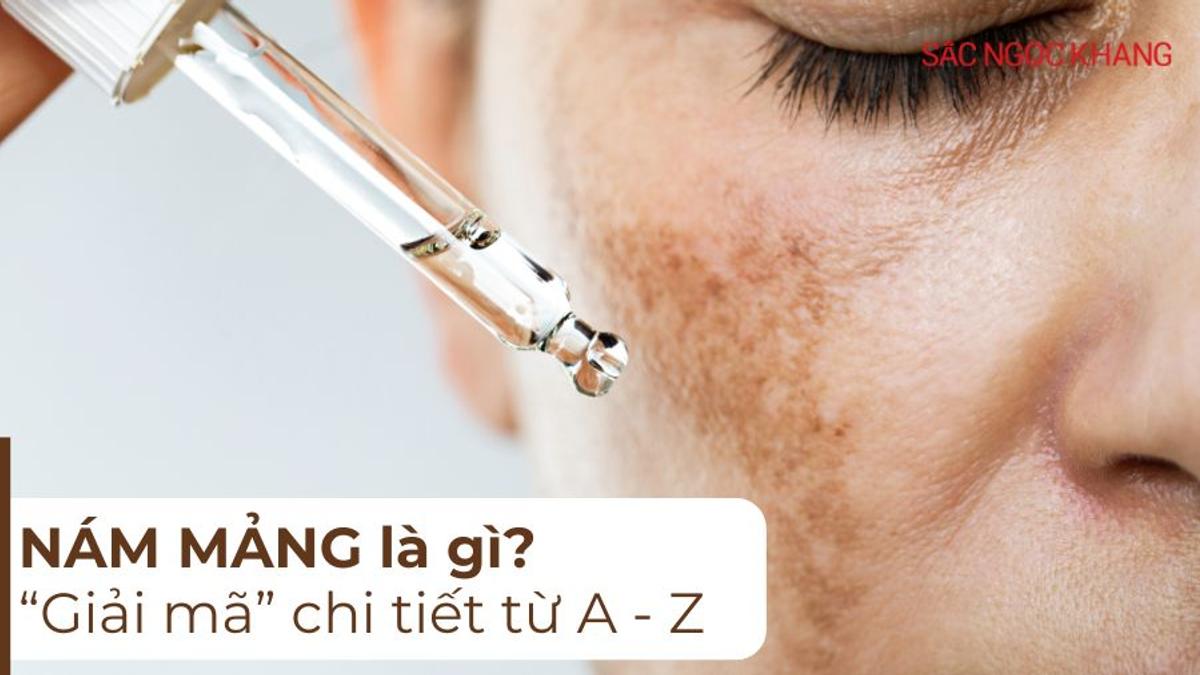
Melasma, and patch melasma in particular, is a constant worry for many women. Those dark patches of skin not only affect one’s appearance but also take a negative toll on confidence. Are you worried about those dark melasma patches on your face?
This article will give you complete and accurate information about patch melasma — from its causes and warning signs to effective treatment methods. Let’s explore!
What is patch melasma?
Patch melasma is a condition of increased melanin pigmentation, showing up as dark, uneven patches on the surface of the skin. Unlike deep (dermal) melasma — whose roots lie in the dermis or lower layers of the skin — patch melasma usually sits in the epidermis, making it easier to treat.
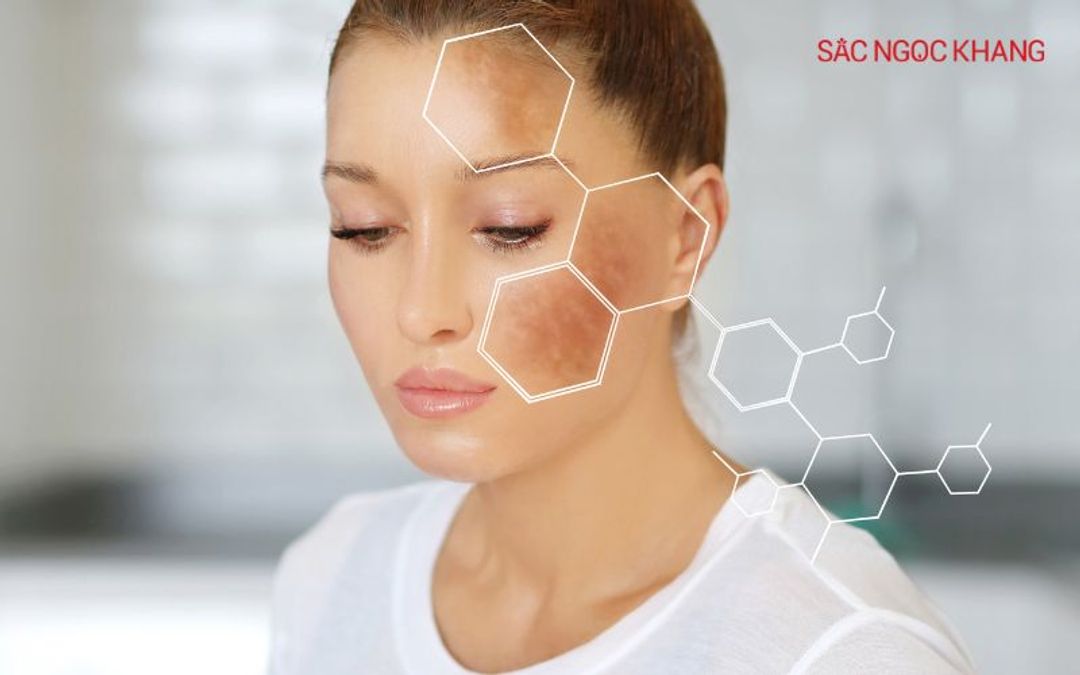
Patch melasma tends to concentrate mainly on both cheekbones
Patch melasma is usually light brown or dark brown, concentrated mainly on both cheekbones, the forehead and the chin, and sometimes spreading across the whole face. Distinguishing patch melasma from other types such as deep melasma or mixed melasma is very important in choosing the right treatment method.
Common causes of patch melasma
There are many causes of patch melasma, and it usually appears from a combination of several factors. Here are the most common causes:
Sunlight (UV rays): This is the leading cause of melasma. Ultraviolet (UV) rays from sunlight stimulate melanocyte cells to produce melanin (pigment) to protect the skin. When the skin is exposed to too much sunlight, melanin is overproduced and builds up into melasma patches. UVA rays can pass through glass and clouds, so protecting your skin from the sun is very important even on overcast days.
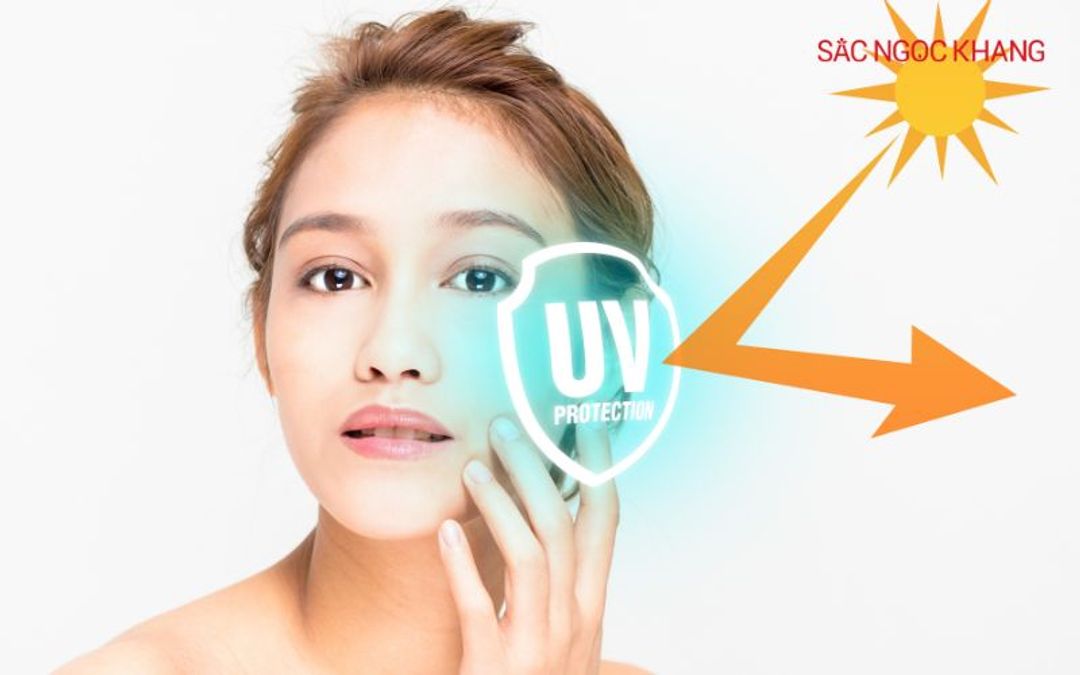
UV rays are the leading cause of melasma
Hormonal changes: Shifts in the body’s hormones, especially estrogen and progesterone, can stimulate melanin production. Common situations include:
Pregnancy: “Pregnancy melasma” is a very common condition caused by hormonal changes during pregnancy.
After childbirth: Postpartum hormones are often not yet stable, so melasma may persist or become darker.
Use of birth control pills: Some birth control pills contain hormones that can cause melasma.
Perimenopause and menopause: The decline in estrogen during this stage can also contribute to the formation of melasma.
Genetic factors: If someone in your family has melasma, you are at higher risk of patch melasma. Genes can influence how your skin reacts to sunlight and other factors.
Overuse of cosmetics: Using unsuitable skincare products — especially those containing corticosteroids, strong bleaching agents, or overly harsh exfoliating agents — can make the skin thin and weak, prone to damage, and lead to post-inflammatory hyperpigmentation (PIH), which results in melasma.
Prolonged stress and tension: Long-term stress can affect the body’s endocrine system and hormones, contributing to the formation of melasma.
Age: As you get older, the function of melanocyte cells can become disrupted, leading to uneven melanin production and causing melasma.
Certain medical conditions: Some thyroid conditions or autoimmune diseases can also be linked to the formation of melasma.
Effective methods for treating patch melasma
Today there are many different methods for treating patch melasma; depending on the severity of your melasma and your budget, you can choose the method that suits you:
Treating patch melasma at home: Natural methods such as lemon, honey and aloe vera can help fade mild melasma. However, these methods tend to work slowly and require persistent, long-term application.
Using melasma treatment products: Melasma products containing ingredients such as vitamin C, arbutin, niacinamide and hydroquinone can help inhibit melanin production and fade melasma. You need to choose a product suited to your skin type and follow the usage instructions.
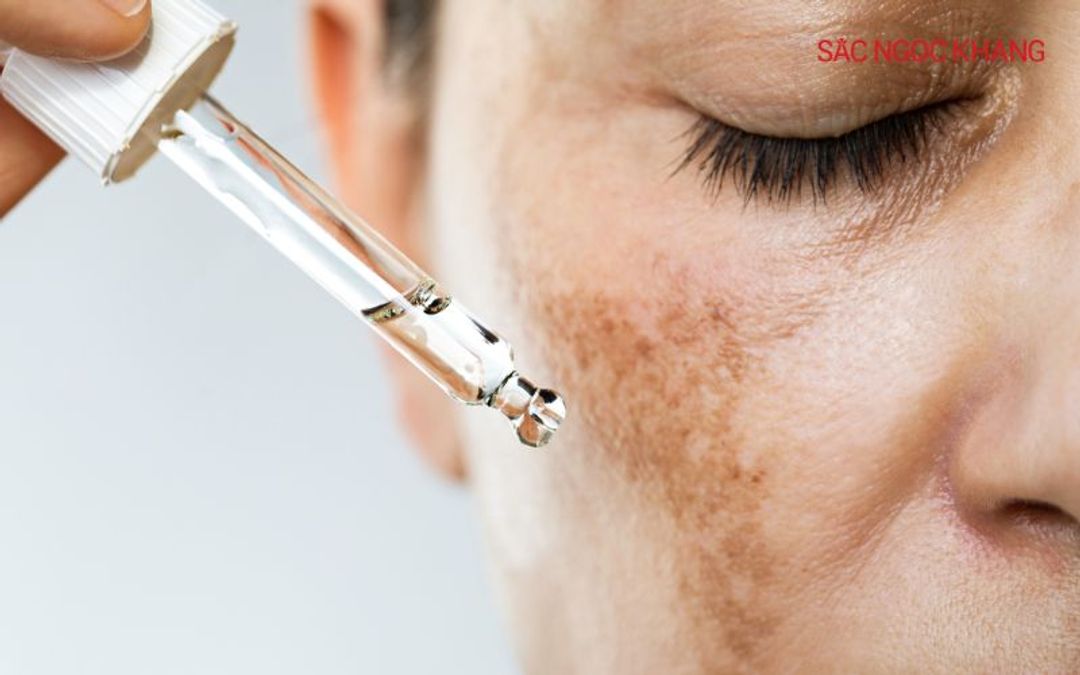
Using products that support melasma treatment
Technology-based patch melasma treatment: Modern technologies such as melasma laser treatment, chemical peels and intense pulsed light deliver faster, more noticeable results than conventional methods. However, the cost of these methods is usually higher.
A suggested supplement to support patch melasma treatment: Sắc Ngọc Khang Vi Tảo Lục
Alongside external skincare methods, supporting treatment from within is also very important, especially with patch melasma. The Sắc Ngọc Khang Vi Tảo Lục supplement is an option worth considering. This product focuses on 3 main mechanisms:
Clearing melasma from the root: Astaxanthin, extracted from Japanese green microalgae, is known for its powerful antioxidant capacity (many times greater than Vitamin E and C), helping to inhibit the formation of melanin pigment, thereby supporting the fading of melasma, hyperpigmentation and freckles and helping the skin become more even in tone.
Balancing hormones: Hormonal imbalance is one of the causes of melasma. Sắc Ngọc Khang Vi Tảo Lục contains soy germ extract (Isoflavones) that helps balance female hormones, contributing to preventing melasma from within.
Nourishing and promoting blood circulation: The product combines a quartet of medicinal herbs (Dong Quai, Achyranthes, Rehmannia, Motherwort) to help regulate blood and vital energy, giving the skin a rosy, healthy glow.
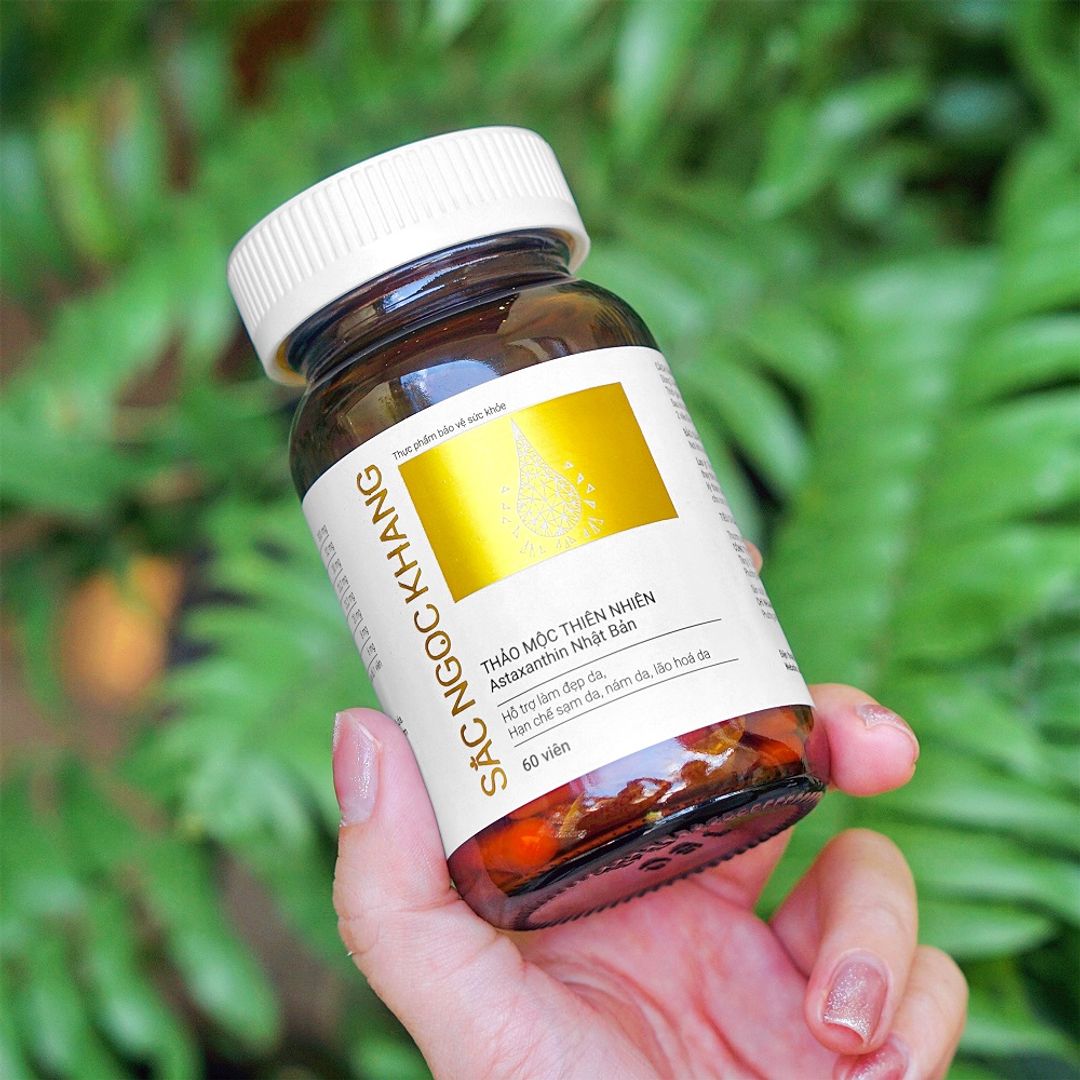
Sắc Ngọc Khang Vi Tảo Lục supplement
In addition, L-Cystine also contributes to antioxidant protection and supports skin regeneration. The product is formulated as an oral supplement, convenient for daily use. Sắc Ngọc Khang Vi Tảo Lục aims to support the improvement of melasma from within; combined with external skincare measures, it will help deliver better results.
Proper skincare to prevent patch melasma
Proper skincare after treating patch melasma plays a key role in maintaining results and preventing melasma from recurring. Whatever treatment method you have applied (natural, topical products, high technology), daily skincare remains extremely important. Below are the proper skincare steps to keep patch melasma from “coming back”:
Protect your skin from the sun (most important)
Use a broad-spectrum sunscreen: Choose a sunscreen with an SPF of 30 or higher that protects the skin from both UVA and UVB rays.
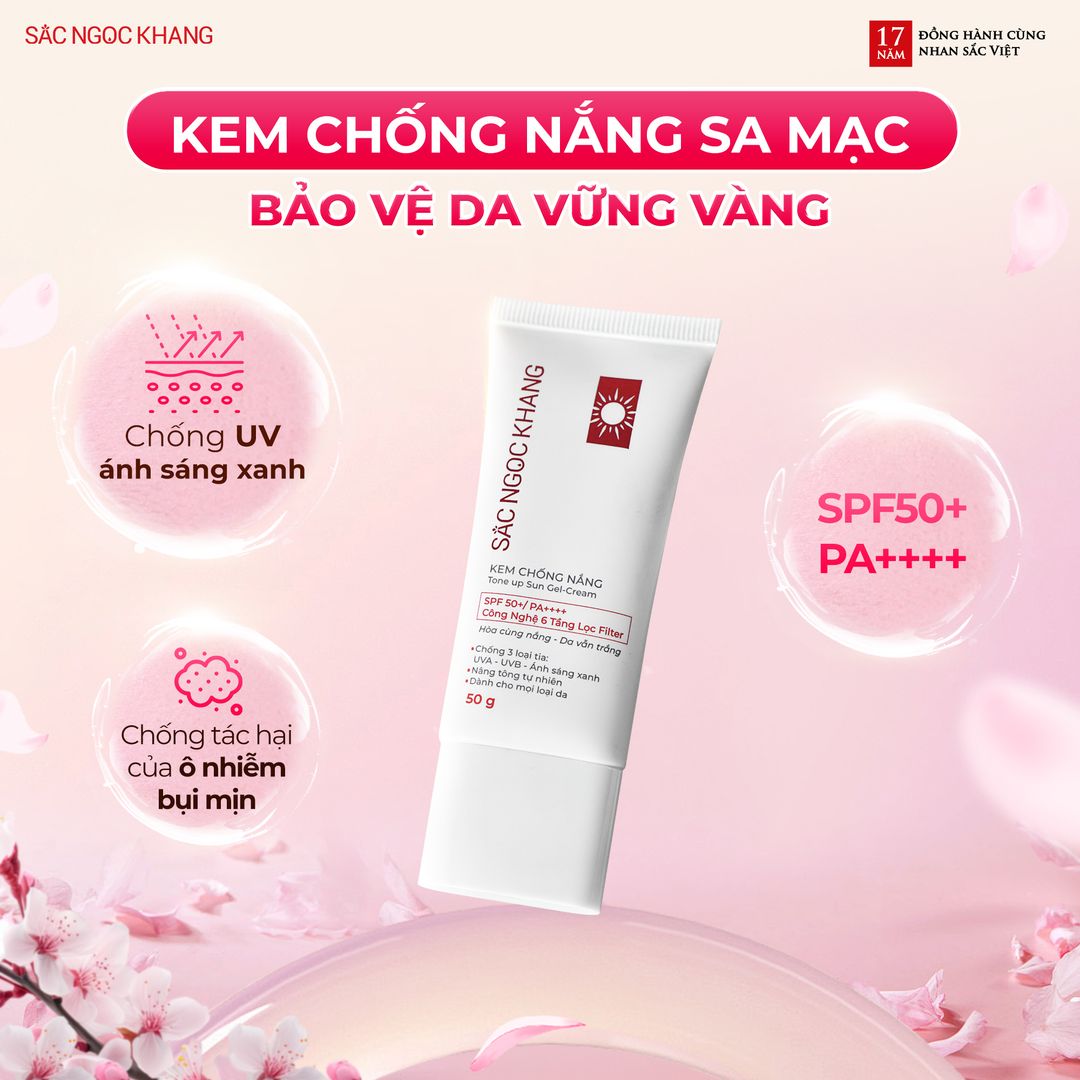
Use a broad-spectrum sunscreen
Apply sunscreen correctly: Apply sunscreen at least 20 minutes before going out and reapply every 2–3 hours, especially after swimming or sweating heavily.
Cover up carefully: Wear a hat, sunglasses, a face mask and long-sleeved clothing when going out in the sun, especially during the harshest hours (from 10 a.m. to 4 p.m.).
Limit direct sun exposure: Avoid going out in the sun during peak hours unless necessary.
Cleanse the skin gently
Use a gentle facial cleanser: Choose a cleanser that is soap-free, does not dry out the skin and has a balanced pH.
Wash your face correctly: Wash with warm water, massage gently in circular motions and avoid scrubbing hard.
Remove makeup thoroughly: Remove makeup completely at the end of the day to get rid of dirt, oil and makeup residue.
Moisturize adequately
Use a moisturizer suited to your skin type: Dry skin needs a rich moisturizer, while oily skin should choose a lightweight gel or lotion moisturizer.
Moisturize regularly: Moisturize your skin every day, after washing your face and before going to bed.
Use supporting products (as directed by a dermatologist)
Vitamin C serum: Vitamin C is a powerful antioxidant that helps brighten the skin, fade dark spots and melasma, and protect the skin from sun damage.
Products containing niacinamide, arbutin, azelaic acid: These ingredients help inhibit melanin production, fade melasma and brighten the skin.
Avoid products containing corticosteroids or strong bleaching agents: These products can harm the skin and make melasma worse.
A scientific diet and lifestyle
Drink enough water: Drink 2–3 liters of water a day to keep your skin fully hydrated.
Eat healthily: Add plenty of leafy greens, fruit and foods rich in vitamins and minerals. Limit spicy, greasy and sugary foods.
Get enough sleep: Sleep 7–8 hours each night so your skin has time to recover.
Reduce stress: Avoid prolonged stress and tension through exercise, yoga, meditation or other relaxing activities.
Regular follow-up visits
Keep to your dermatologist’s follow-up schedule: This allows the doctor to monitor your skin’s condition and adjust the treatment method if necessary.
Things to avoid:
Using melasma products of unknown origin on your own: This can irritate the skin, cause allergies or make the melasma worse.
Exfoliating too often or scrubbing the skin hard: This can damage the skin and make it more prone to melasma.
Squeezing pimples or picking at scabs on the skin: This can cause infection and leave dark scars.
Answering common questions about patch melasma
Does patch melasma go away on its own?
Usually, patch melasma does not go away on its own. Although the melasma may sometimes fade a little in winter or when sun protection is strict, it tends to darken again when exposed to sunlight or other triggers. Therefore, treatment is needed to fade melasma effectively.
Is treating patch melasma expensive?
The cost of treating patch melasma depends on many factors:
Severity of melasma: The more severe the melasma and the larger the affected area, the longer the treatment time and the higher the cost.
Treatment method: Natural methods are usually the least expensive, followed by topical products, and finally high-tech methods such as laser and chemical peels.
Treatment facility: Reputable facilities and specialized dermatologists usually cost more than small spas or beauty salons.
In short, the cost of treating patch melasma varies from case to case. You should research the information carefully and consult a dermatologist to be advised on a treatment method that suits your melasma and your budget.
Where should you treat patch melasma?
To ensure effectiveness and safety, you should treat patch melasma at the following reputable facilities:
Dermatology hospitals: These have highly qualified doctors, modern equipment and systematic treatment protocols.
Specialized dermatology clinics: These clinics are usually run by experienced dermatologists, offering in-depth consultation and treatment services.
Reputable spas and beauty salons: Choose spas and beauty salons that hold an operating license, employ well-trained technicians and use technology and products of clear origin.
Most important: You should consult a dermatologist before deciding on treatment to be advised on the method best suited to your skin condition.
Is patch melasma contagious?
Patch melasma is not contagious at all. It is a matter of skin pigmentation, not an infectious disease. You do not need to worry about catching melasma from others or spreading it to other areas of your body.
Does patch melasma recur?
Patch melasma can recur if the skin is not cared for and protected properly after treatment. Factors that cause melasma to recur include:
Sun exposure: This is the leading cause of melasma recurrence.
Hormonal changes: Stages such as pregnancy, the postpartum period and perimenopause can make melasma appear again.
Using unsuitable cosmetics: Products containing strong bleaching agents or corticosteroids can harm the skin and cause melasma to recur.
Stress and tension: Prolonged stress can also affect hormones and cause melasma.
To prevent melasma from recurring, you must strictly follow skincare measures and protect your skin from the sun.
Are patch melasma and freckles the same?
Patch melasma and freckles are both skin pigmentation issues, but they differ in several ways:
Shape: Patch melasma usually appears in large, uneven patches, while freckles are tiny dots scattered here and there.
Cause: Patch melasma is usually caused by a combination of factors such as sunlight, hormones and genetics, while freckles are mainly caused by genetics and sunlight.
Location: Patch melasma usually appears on the cheekbones, forehead and chin, while freckles usually concentrate on the nose and both cheeks.
Should you treat patch melasma at home on your own?
At-home melasma methods can help fade mild, newly appeared melasma. However, if the melasma is severe or does not improve after a while, you should see a dermatologist for advice and in-depth treatment. Avoid using products or methods of unknown origin on your own to avoid harming your skin.
Conclusion
Patch melasma may be “troublesome,” but it can be treated effectively if you choose the right method and stay persistent. Research the information carefully, choose a reputable facility and follow your dermatologist’s guidance to “banish” patch melasma and shine with confidence